Storm Damage Roof Repair in Bend, OR
Storm damage roof repair in Bend covering high-desert wind events, heavy wet snow, and hail from summer thunderstorms across the Central Oregon roof.
Storm Damage Repair for Central Oregon Commercial Roofs
Storms in Central Oregon don't look like storms most people picture. There's no hurricane season and no lake-effect band dumping feet of snow overnight. What we get instead is wind funneling off the Cascades, heavy wet snow that loads a roof fast, and the occasional high-desert thunderstorm that drops hail hard enough to bruise membrane in a matter of minutes.
Wind Off the Cascades
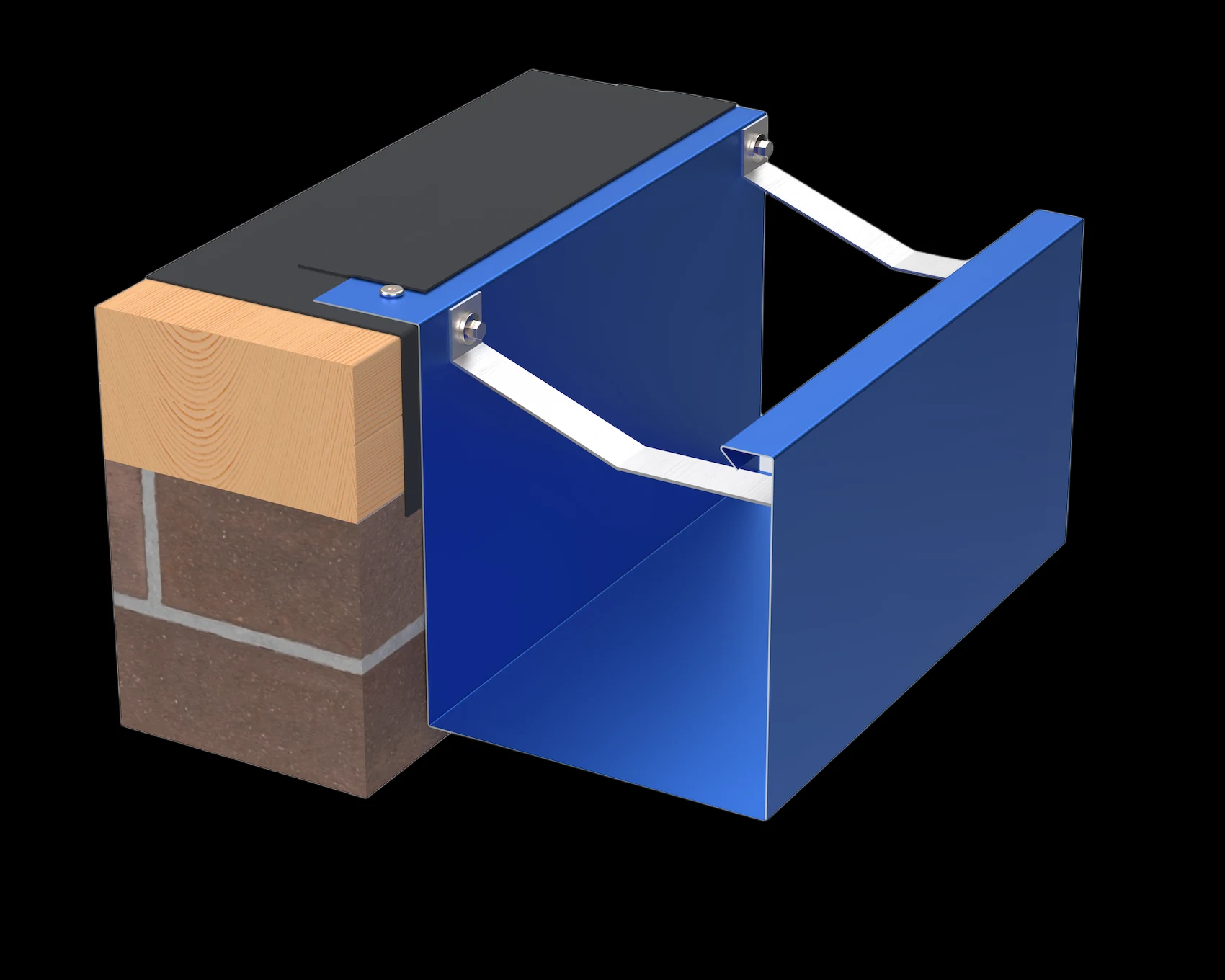
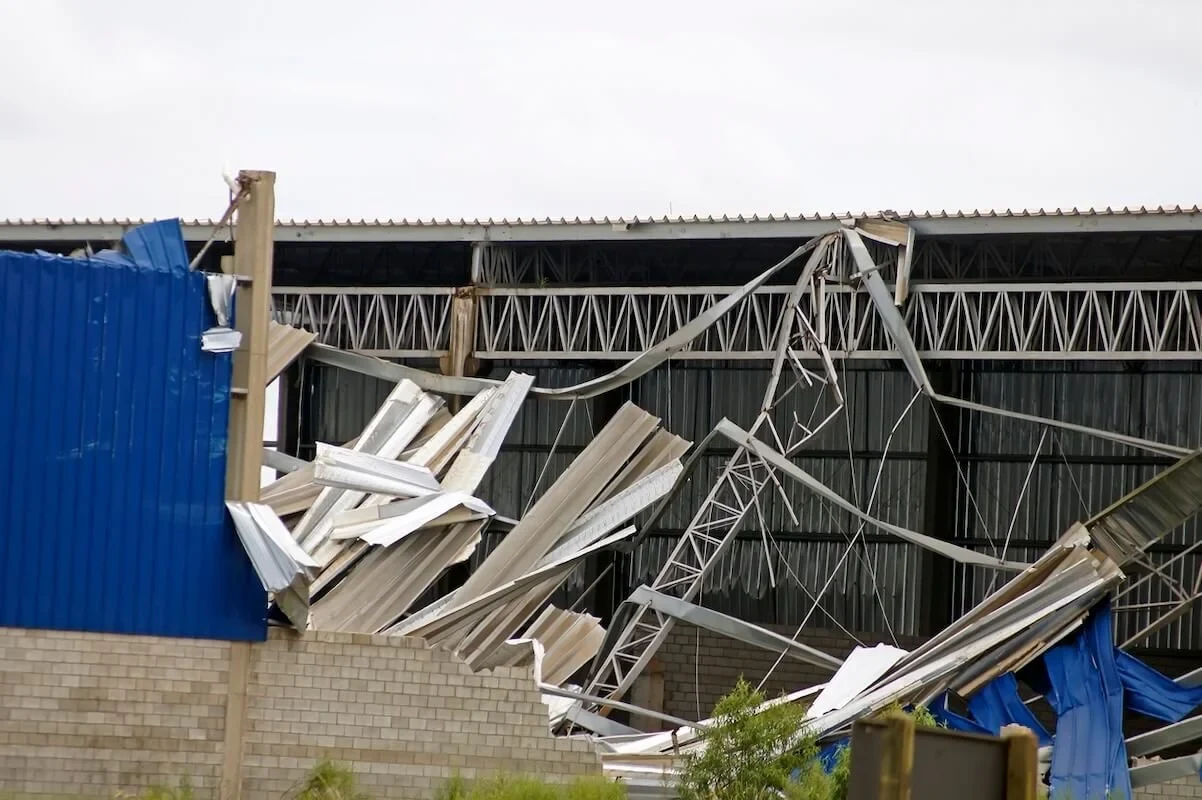
Bend sits in the lee of the Cascade Range, and pressure differences across the mountains can push sustained gusts through the valley that catch loose flashing, lift membrane at the edges, or drive debris across a roof hard enough to puncture it. We see the most wind damage at parapet corners and edge metal, where uplift pressure concentrates, and at rooftop units where panels or louvers weren't secured tightly enough for a real gust event. These events don't always show up as a single dramatic storm on the news; a steady afternoon of sustained gusts through the valley can do as much cumulative damage to marginal flashing as one sharper, shorter blow.
Heavy Wet Snow Versus Dry Powder
Not all Central Oregon snow behaves the same. A dry powder event adds weight gradually and sheds fairly easily off a slope, but a heavier, wetter storm - more common in late fall and early spring when temperatures hover right around freezing - loads a roof fast and can drift against parapets in a way that concentrates weight over a much smaller area than the total snowfall would suggest. That's when we get called out to check for deflection or membrane stress at specific drift zones rather than the whole field.
Hail From High-Desert Thunderstorms
Summer thunderstorms build fast over the high desert and can drop hail even on a clear, hot afternoon. Hail damage on a low-slope commercial membrane doesn't always look dramatic from the ground - it shows up as bruising and small punctures that don't leak immediately but weaken the membrane's ability to shed water and resist further UV exposure. We check for that kind of damage specifically after any reported hail event in the area, not only where an owner can visibly point to a problem.
What We Check After a Storm Event
- Edge metal, coping, and parapet corners for wind uplift damage
- Membrane surface for hail bruising and small punctures
- Drift zones and low points for concentrated snow-load stress
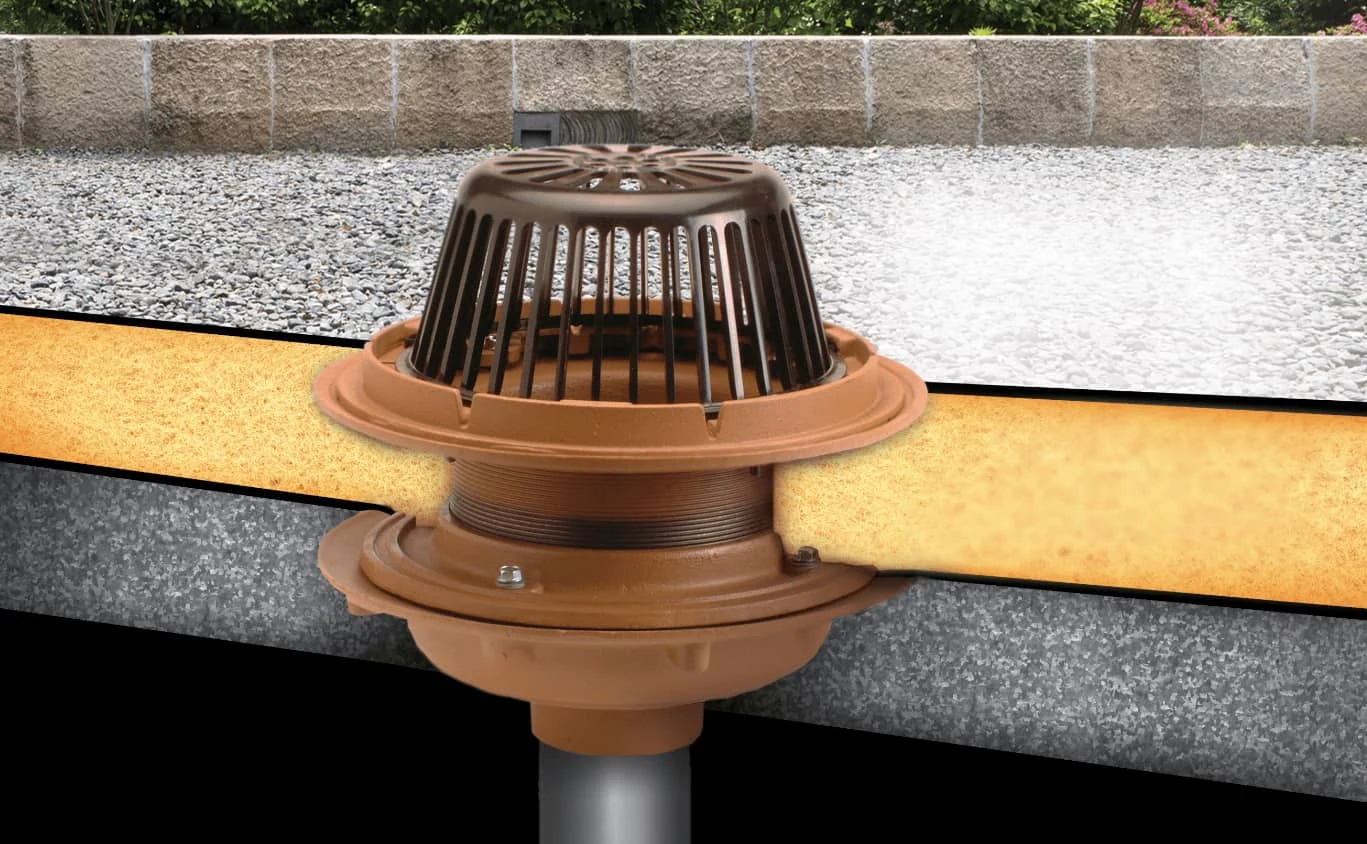
- Drains and scuppers for storm debris blockage
- Rooftop equipment for wind-shifted panels or loosened fasteners
- Flashing at every penetration for gaps opened by movement during the storm
Timing Matters More Than People Expect
We push to inspect a roof as soon as it's safe to access after a storm, even if there's no visible leak yet. Wind-lifted membrane or a hairline puncture from hail doesn't always show up inside the building right away, and catching it before the next weather event hits keeps a repairable problem from turning into a full section replacement.
Repair Versus Broader Damage
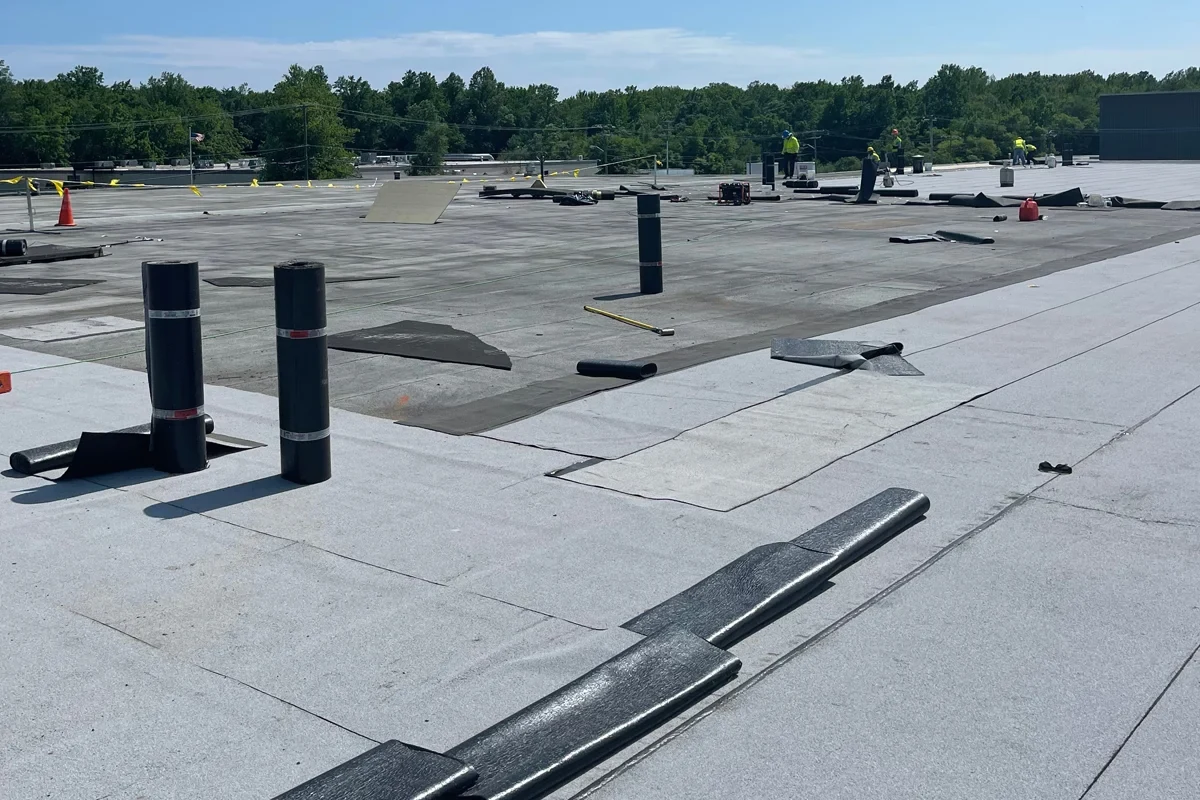
Most storm calls are a targeted repair - resecuring lifted edge metal, patching a puncture, clearing a blocked drain. But a roof that's already older and marginal going into a storm sometimes shows damage across a wide enough area that patching piece by piece doesn't make sense. We'll tell an owner directly if that's what we're seeing rather than run up a series of small repair invoices on a roof that needs a bigger conversation. That distinction matters most on buildings that have already taken a few storm hits over the years - a membrane that's absorbed repeated wind and hail events tends to fail in more places at once than a newer roof would after a single comparable storm.
Documenting What the Storm Did
We photograph storm damage at the time of inspection, dated and located specifically, which matters if an owner is filing a claim or simply wants a factual record of what a given wind or hail event did to the building. That documentation also gives us a baseline to compare against after the next storm, so we can tell whether new damage is showing up in the same spots or somewhere the roof hadn't been stressed before.
Storm Repair Questions
What kind of storm damage is most common on Bend commercial roofs?
Wind damage at parapet corners and edge metal, and concentrated snow-load stress in drift zones, are what we see most, with hail bruising showing up after summer thunderstorm events.
Can hail actually damage a flat commercial roof?
Yes, though it often looks like surface bruising rather than obvious punctures at first, which is why we inspect the full membrane after a hail event rather than just the areas an owner points to.
Should we wait for a leak before calling after a storm?
No. Wind-lifted membrane or hail punctures don't always leak right away, and catching the damage early prevents it from turning into a bigger problem during the next storm.
Does wet spring snow cause different damage than winter powder?
Yes, heavier wet snow loads faster and concentrates in drift zones against parapets, which is a different structural stress pattern than a gradual dry powder accumulation.
Will you tell us if storm damage means we need more than a repair?
Yes. If damage is spread across a large enough area on an already aging roof, we'll say so directly rather than run a series of patch repairs on a roof that needs replacement.
Related
Ready to review the roof scope?
Request a Roof Assessment