White EPDM Roofing in Bend, OR
White EPDM for Bend commercial roofs that need reflectivity against high-desert sun, with the seam durability owners expect from a rubber membrane.
Reflective White EPDM for Sun-Exposed Roofs in Bend
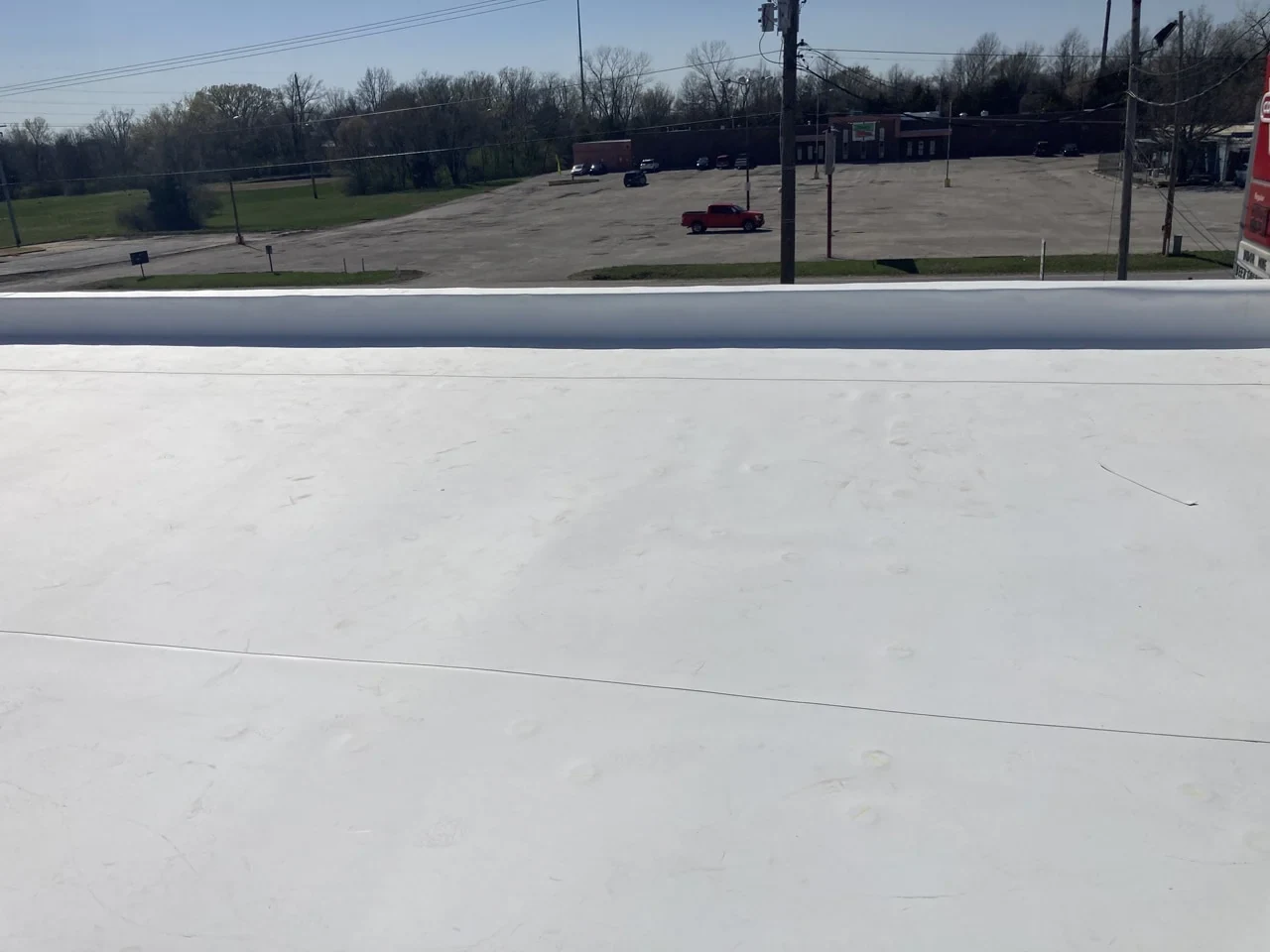
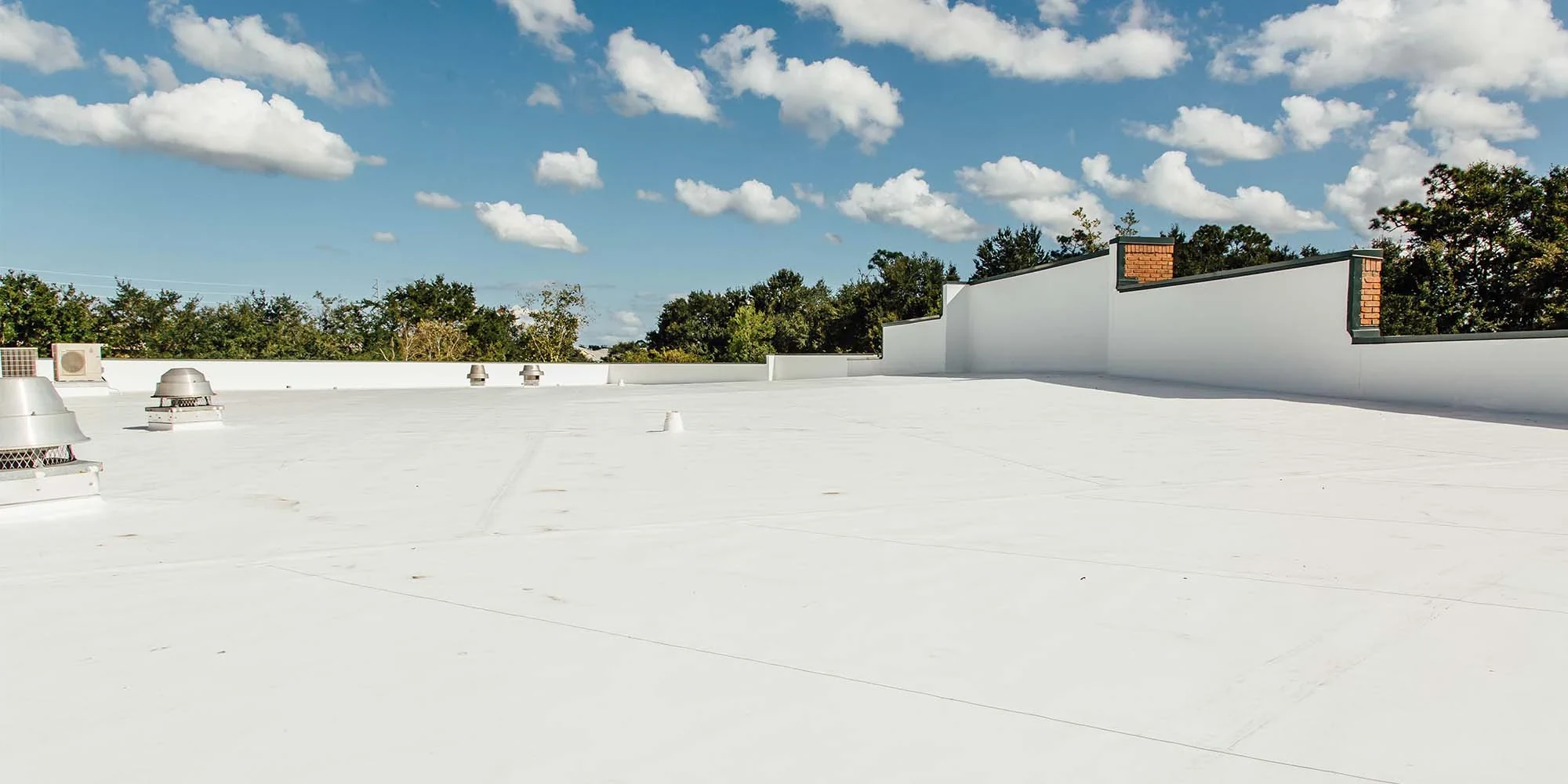
White EPDM gives us the seam performance and flexibility owners expect from rubber roofing, paired with a reflective surface that pushes back against Bend's intense summer sun instead of absorbing it. We spec it on fully exposed low-slope roofs where a dark membrane would otherwise be running hot all summer and taking on more UV stress than it needs to.
Reflectivity Value in a High-UV Climate
Bend sits at roughly 3,600 feet, and thinner air filters less ultraviolet radiation than a coastal or valley-floor market deals with. A white membrane surface reflects a meaningful share of that solar load back off the roof rather than absorbing it into the field sheet, which keeps surface temperatures lower through the long, dry summer stretch and reduces the cooling load rooftop units have to fight against on the hottest afternoons.
Lower surface temperature also means less thermal expansion and contraction across a given day, which is a real advantage here given how wide Central Oregon's daily temperature swing runs - hot afternoons followed by nights that can drop forty degrees or more before sunrise.
Wildfire Smoke Season and Membrane Soiling
Central Oregon's fire season runs through the smoky stretch of summer into early fall, and airborne soot and ash settle on every low-slope roof in the region during a bad smoke week, regardless of how close the building sits to the forest edge. That buildup reduces a white membrane's reflectivity until it's cleaned off, which is a maintenance consideration owners don't always expect when they choose white for its energy performance.
We recommend a rinse-down after the worst of fire season passes each year on white EPDM roofs that are counting on reflectivity for real cooling savings, along with clearing pine needle and juniper debris out of parapet corners and drain areas at the same time.
Cold-Weather Flexibility Through Bend Winters
EPDM stays flexible at low temperatures better than some alternative membranes, which matters on a roof that sees hard overnight freezes through a Central Oregon winter. That flexibility helps at flashing details and penetrations where thermal movement concentrates stress, reducing the risk of cracking at a cold seam the way a stiffer membrane might show under the same conditions.
We still watch snow and ice behavior closely on white EPDM roofs, since the reflective surface that helps in summer means less passive solar snowmelt in winter compared to a darker membrane - snow tends to sit longer on a white roof, which shifts more of the load-bearing question onto the building's structural design rather than the membrane clearing itself.
Choosing White Over Black for Occupied Buildings
For occupied buildings - offices, medical space, hospitality properties near the Old Mill District - interior comfort and HVAC load matter as much as membrane longevity. A white EPDM roof runs cooler at the deck, which translates to less heat gain into the building envelope on the hottest days of a Bend summer, and that can measurably ease the load on rooftop cooling equipment during peak afternoon hours.
We walk owners through the tradeoff directly: white membrane costs slightly more than black in most cases, but the combination of lower cooling load and reduced UV-driven surface fatigue usually pays that difference back over the roof's service life on a fully sun-exposed building.
Maintenance Differences From Black EPDM
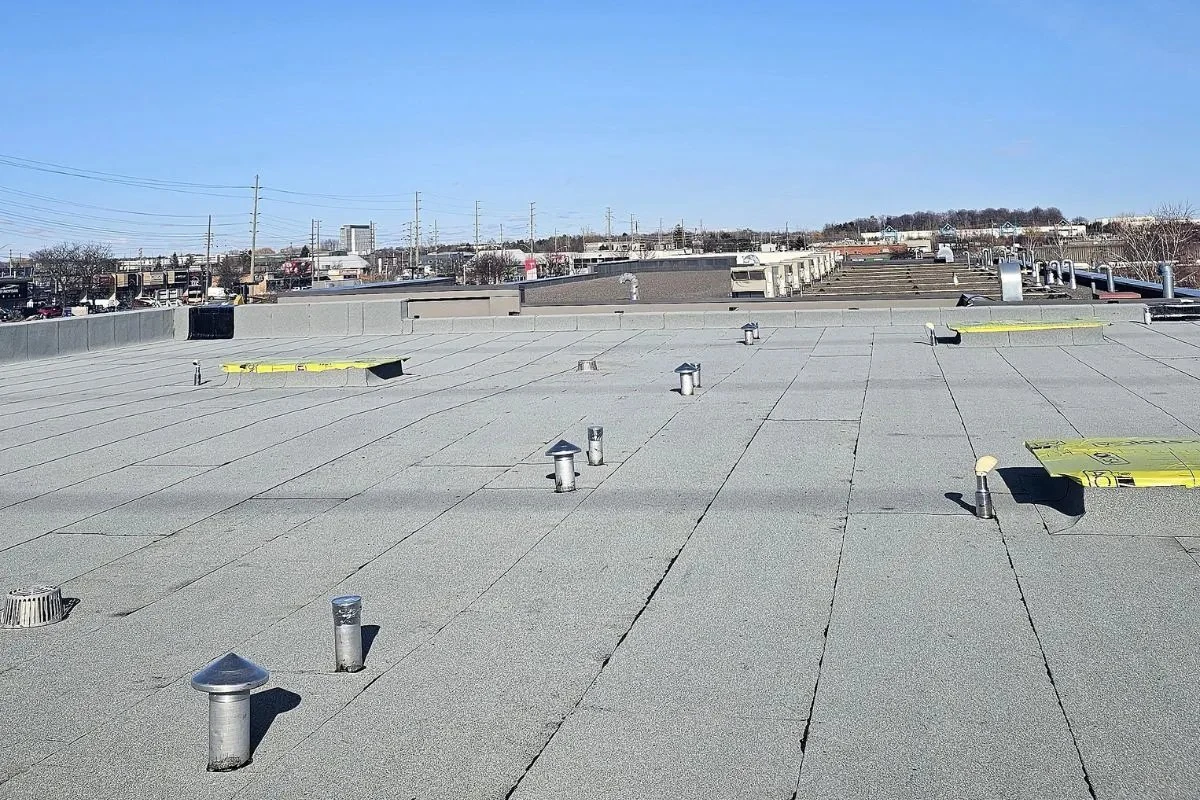
White EPDM needs a bit more attention to surface cleanliness than black membrane does, since dirt, pollen, and smoke residue show up visually and chip away at reflectivity in a way that's invisible on a dark surface. Beyond that visual difference, the core maintenance items are largely the same between the two colors:
- Lap seam adhesion checks, particularly after a hard winter freeze-thaw cycle
- Pipe boot and curb flashing inspection for cracking or separation
- Drain and scupper clearance ahead of spring snowmelt
- Post-fire-season rinse to restore reflectivity on soot-covered areas
- Ballast or fastener condition checks depending on attachment method
- Surface inspection for punctures near rooftop equipment access paths
Recover Candidates for White EPDM
An aging roof with a dry deck and sound insulation is often a good candidate for a white EPDM recover, particularly if the building's cooling costs have been climbing and the current membrane is dark or heavily weathered. We confirm deck and insulation condition with core cuts before recommending that path, since a recover only makes sense over a roof that's actually dry underneath.
If moisture turns up in the existing insulation, that changes the conversation to a tear-off rather than a recover, regardless of which membrane color the owner ultimately wants for the new system.
Questions About White EPDM in Bend
Does white EPDM actually reduce cooling costs here?
On a fully sun-exposed roof, yes - the reflective surface keeps deck temperatures meaningfully lower through summer afternoons, which eases the load on rooftop cooling equipment. The effect is smaller on shaded or partially shaded roofs.
How much does wildfire smoke affect a white roof's performance?
Soot and ash buildup during a heavy smoke week reduces reflectivity until it's rinsed off. We recommend a cleaning pass after the worst of fire season each year on white membranes counting on reflectivity for energy performance.
Does white EPDM handle snow load differently than black?
Both colors can be engineered to carry the same structural snow load - that's a framing question, not a membrane color question. White membrane does hold snow cover longer since it melts less passively than black, which shifts more weight-bearing responsibility onto the structure.
Is white EPDM more expensive than black?
Usually a modest premium, but the combination of lower cooling load and reduced UV fatigue on fully exposed roofs often makes up that difference over the membrane's service life.
Can an existing black EPDM roof be recovered with white?
Often yes, if the deck and insulation are dry and code allows the added layer within the building's load limits. We verify that with core cuts before recommending a recover over a tear-off.
Related
Ready to review the roof scope?
Request a Roof Assessment