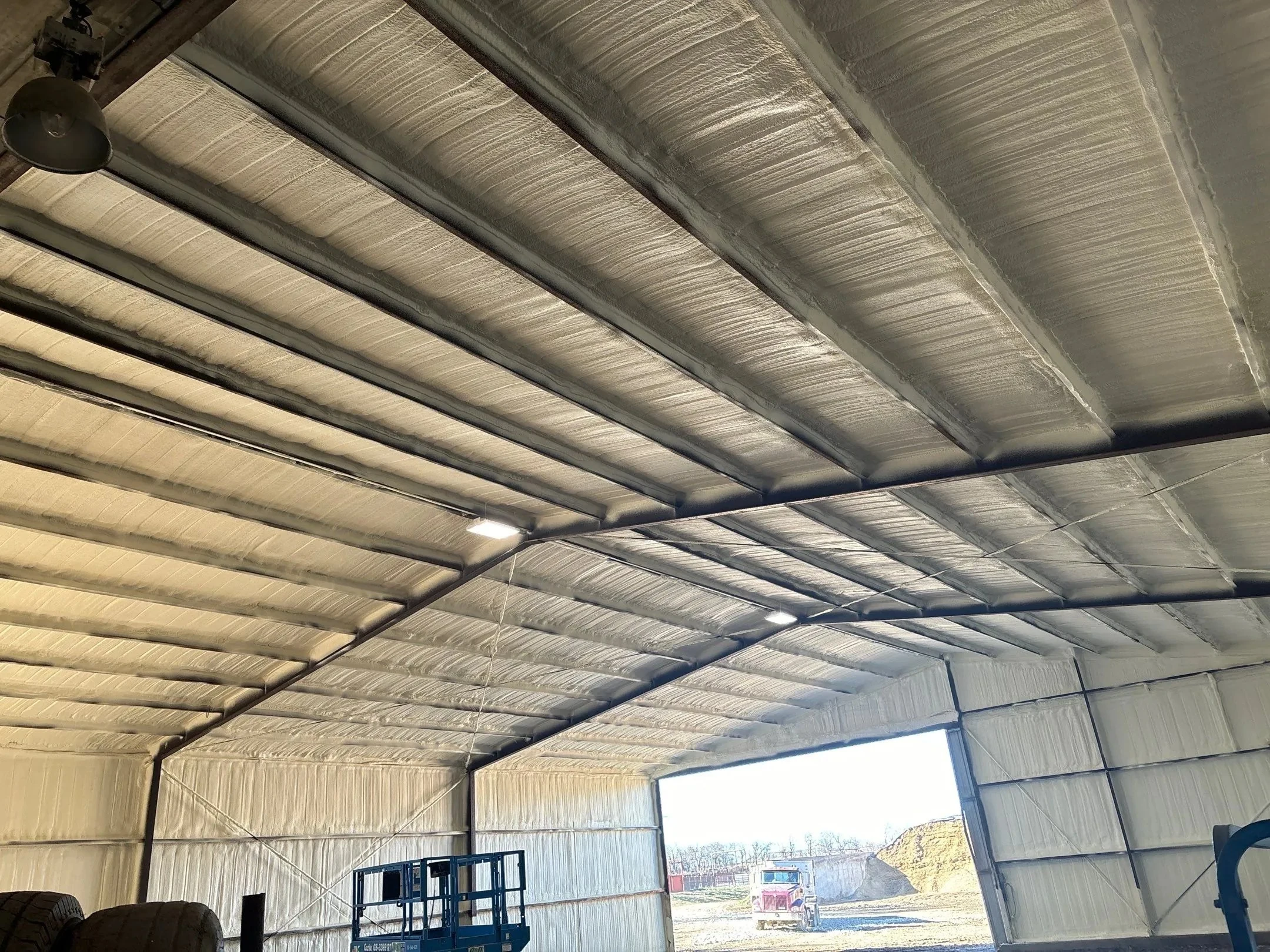
Commercial Roof Coatings in Bend
Commercial roof coatings in Bend with candidacy checks, preparation requirements, restoration scope, drainage review, and warranty planning.
Acrylic Coatings for Well-Drained Roofs Around Bend
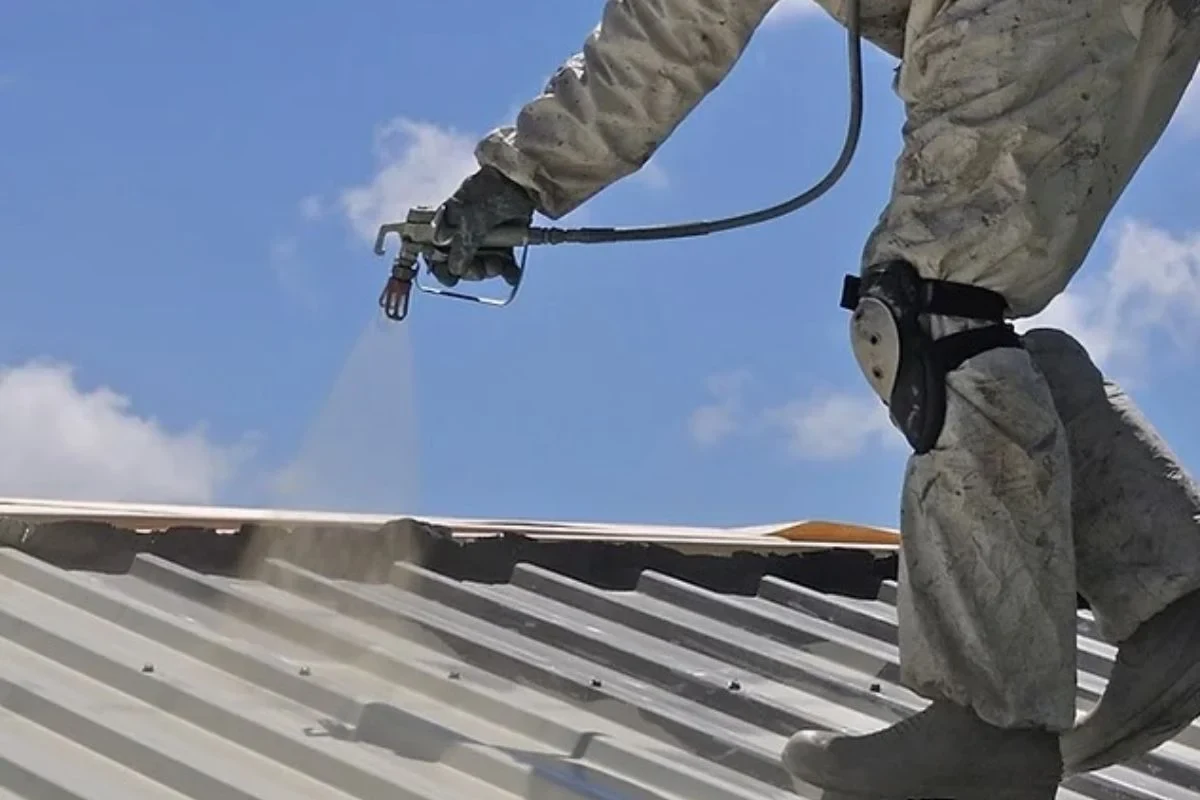
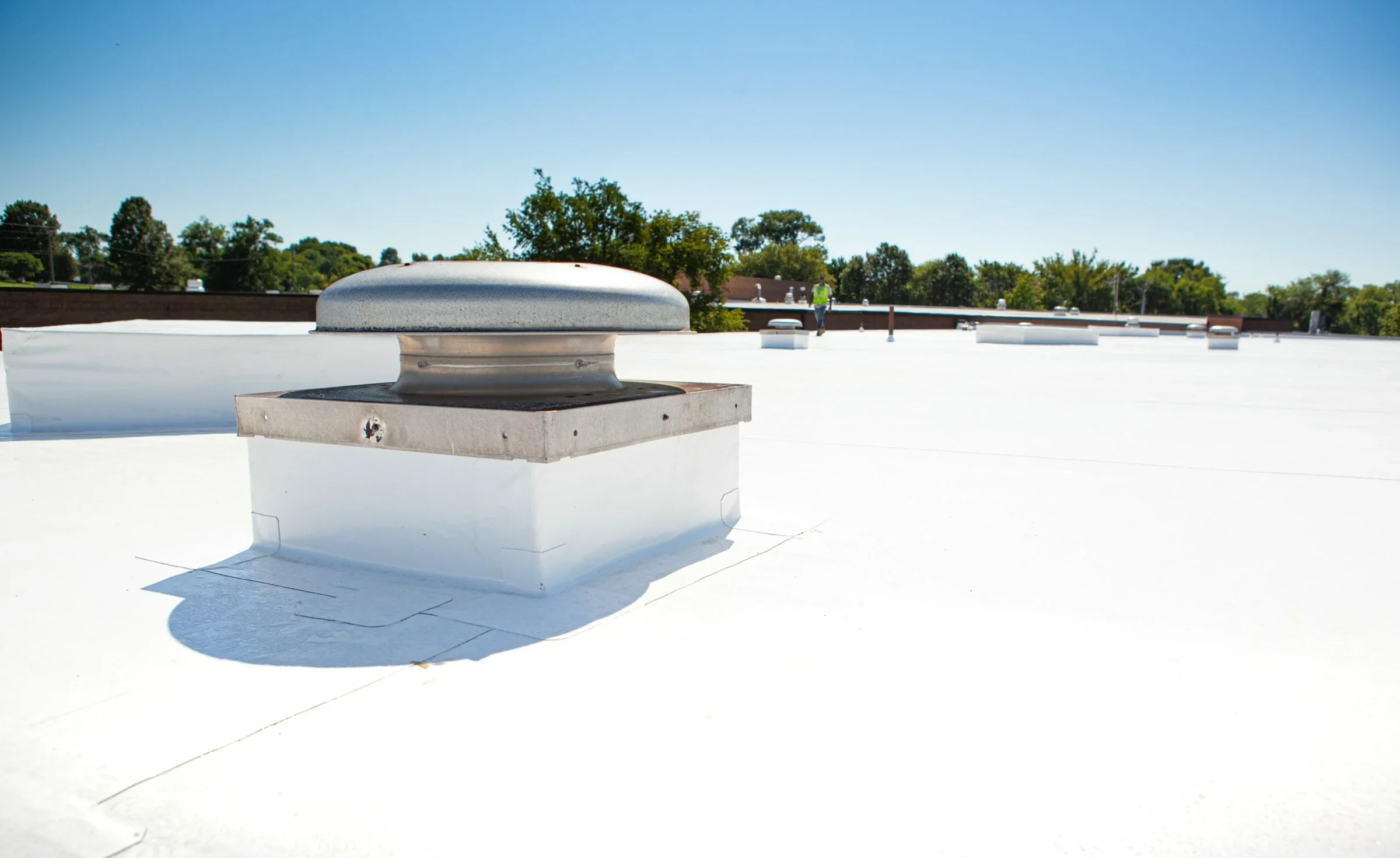
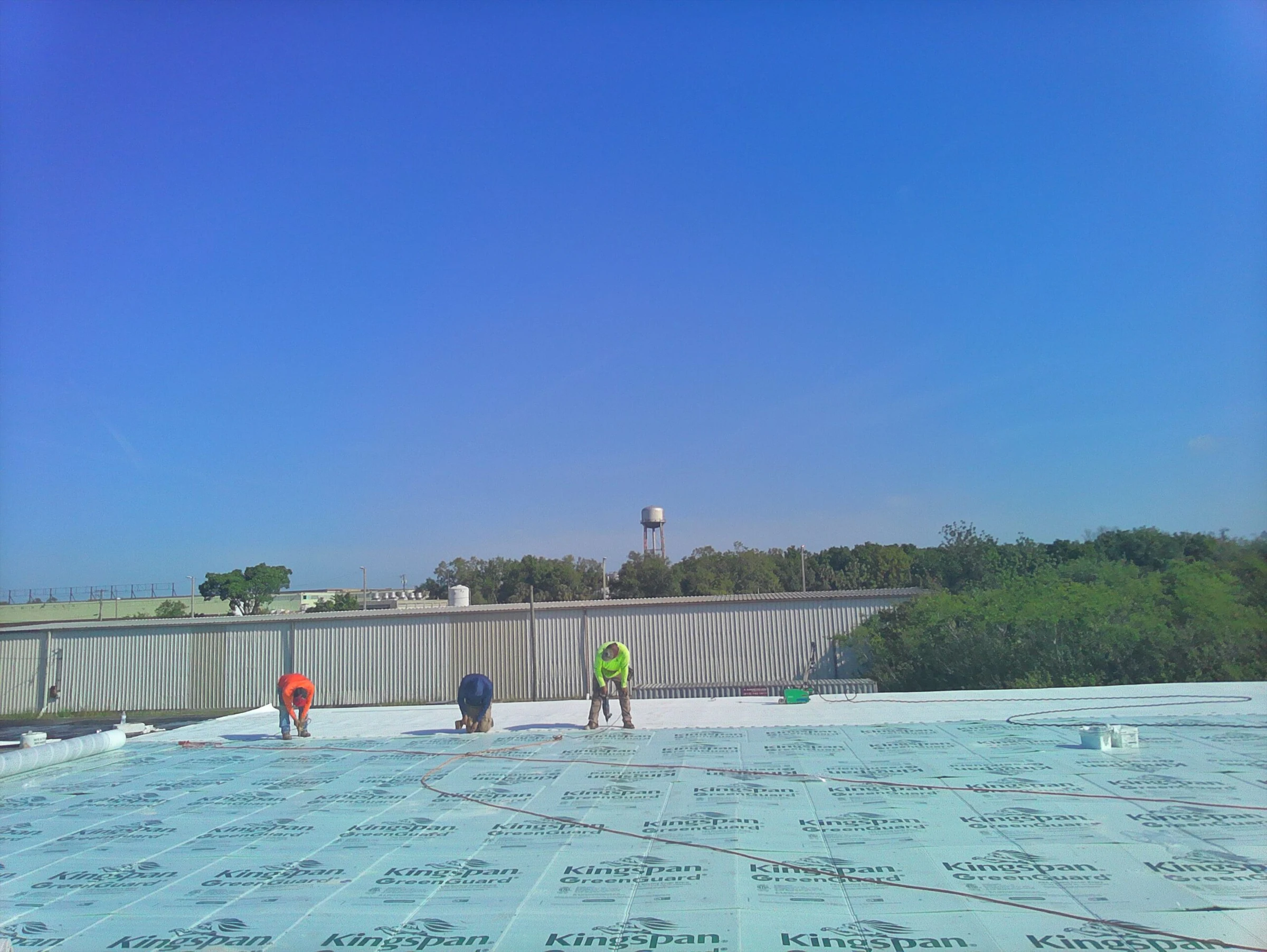
A coating recommendation starts with adhesion, moisture, drainage, membrane condition, detail preparation, and warranty eligibility-not every existing roof is a restoration candidate. Acrylic coating is usually the roof restoration option we reach for first when a building has good drainage and a membrane or metal roof that's aging from UV exposure rather than sitting under chronic ponding water. It costs less than silicone, reflects sun well, and holds up for years on roofs where water actually moves off the surface the way it's supposed to. The tradeoff is that acrylic isn't the right answer for every roof, and we're upfront about when it isn't.
Why Drainage Decides the Coating Choice
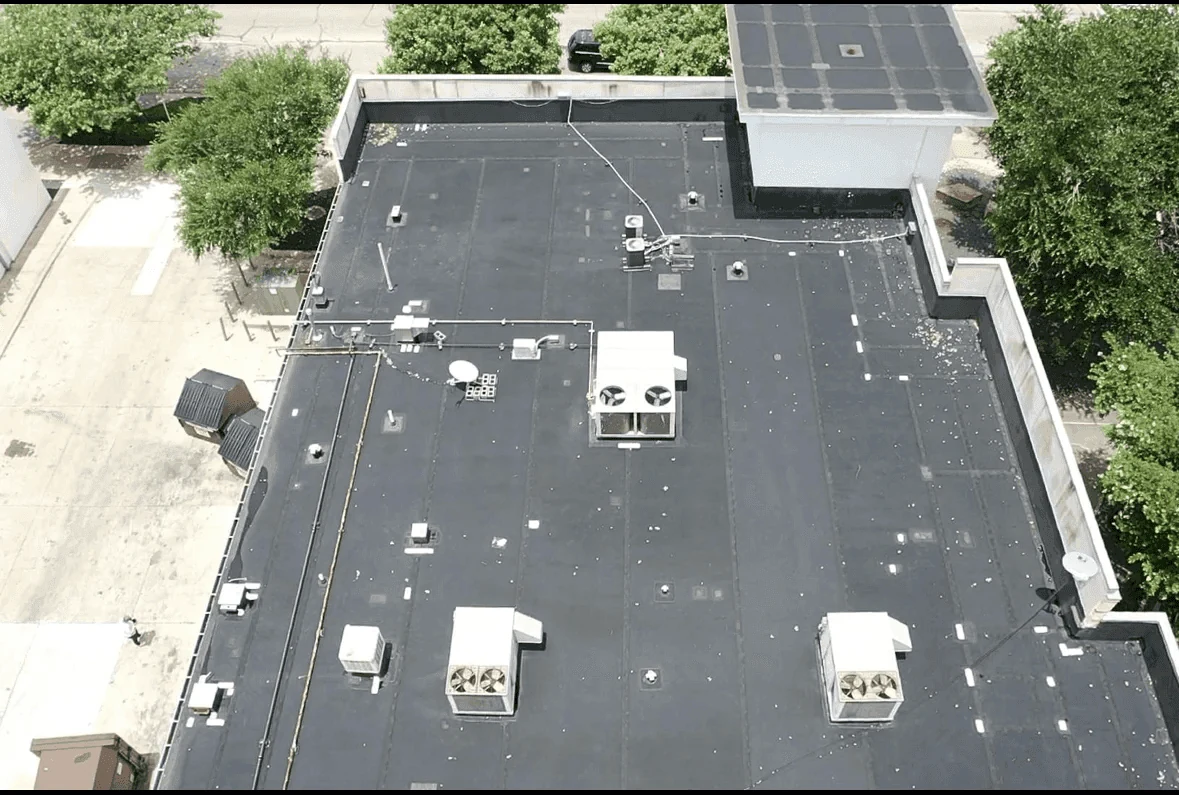
Acrylic coatings can soften and lose adhesion where water sits for extended periods, and plenty of low-slope commercial roofs around Bend have at least one spot where drainage isn't perfect. Before recommending acrylic, we map out where water actually collects after a rain or during spring snowmelt. If the roof drains cleanly with no standing water beyond a day or so, acrylic is often the most cost-effective, longest-lasting option available, and there's no reason to pay for silicone's ponding tolerance when the roof will never need it. If we find persistent ponding, we steer the recommendation toward silicone instead rather than installing a coating that's likely to fail early in exactly the spot it needs to hold up.
A Strong Fit for Metal Roof Restoration
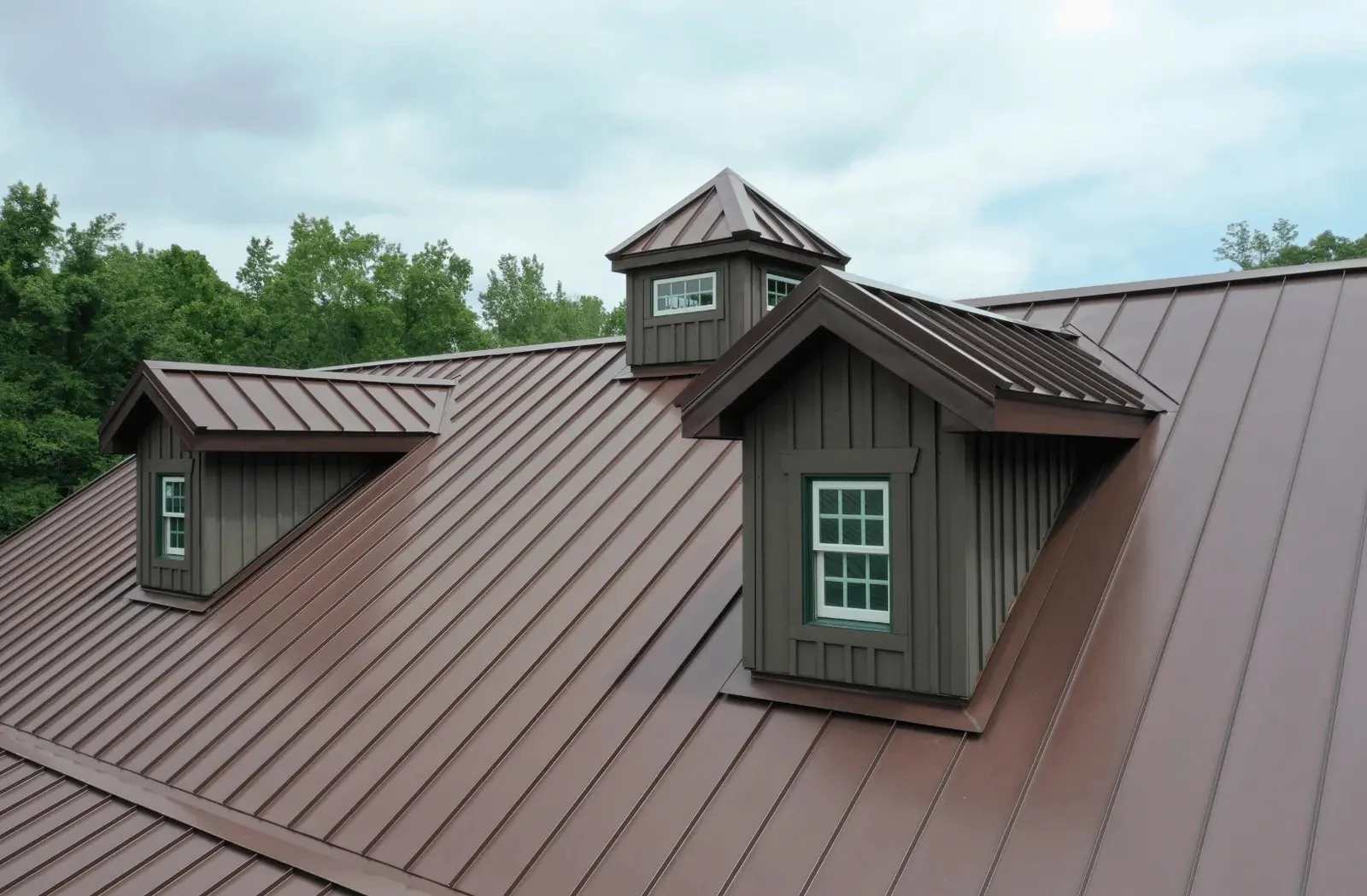
We use acrylic coatings often on aging R-panel and standing seam metal roofs around the industrial areas near Redmond, Prineville, and Madras, where the metal has chalked, faded, or shown early surface corrosion but the panels themselves are still structurally sound. Metal roofs typically drain well by design, which makes them good acrylic candidates, and the coating restores reflectivity that cuts down on the heat these buildings absorb through Bend's long, intense summer sun. It's a fraction of the cost of a full metal roof replacement and buys real years of service life when applied over a properly cleaned and primed panel surface.
Rust spotting at fastener heads and panel seams is the detail we watch for closest on these recoat jobs. A panel that looks uniformly faded from the ground can still have isolated rust starting at individual screws, and treating those spots before coating matters more to the finished result than the coating product itself. A coating applied over untreated rust just traps moisture against the metal and lets the corrosion keep spreading underneath it.
Timing Application Around Our Weather
Acrylic coatings need the right temperature window to cure properly, and Central Oregon's shoulder seasons narrow that window more than a lot of contractors expect. Overnight freezes can start well before what people think of as winter here, and a coating applied too late in the fall risks not curing before a hard freeze hits. We plan acrylic projects for the stretch of the year with reliable daytime highs and minimal freeze risk overnight, generally late spring through early fall, and we won't rush a coating job into a marginal weather window just to hit a deadline. Owners occasionally push for an October start to close out a budget cycle, and we'll say plainly when that timeline doesn't leave enough cure margin before the first hard freeze typically arrives.
What Acrylic Doesn't Fix
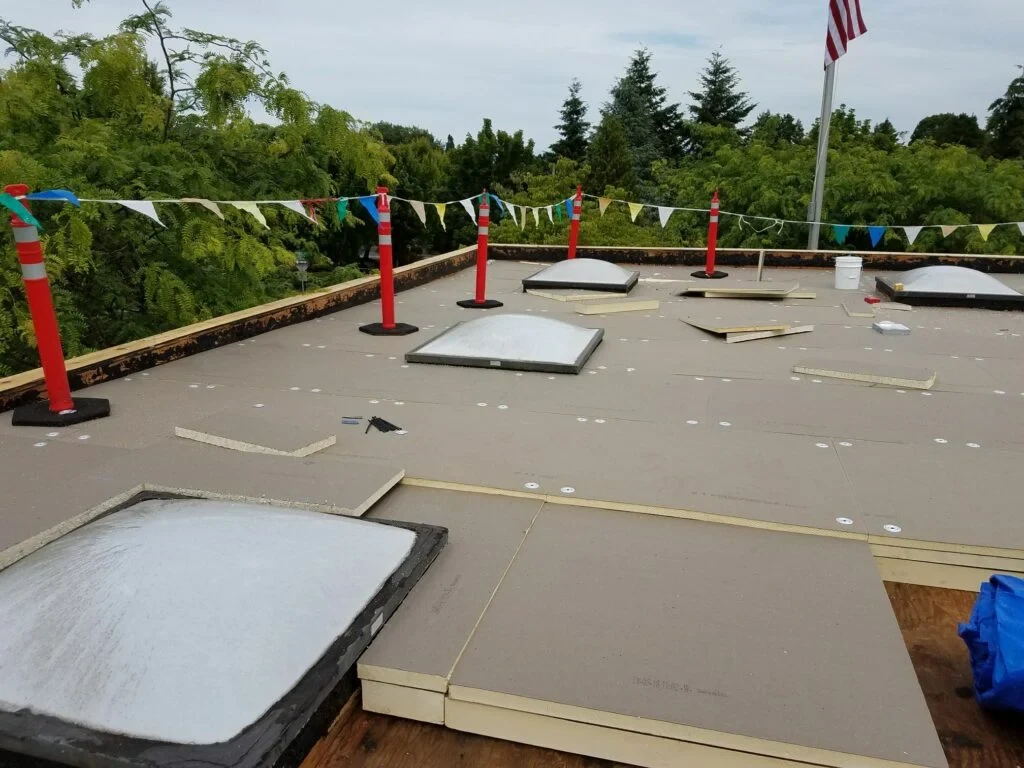
A coating restores surface performance, but it doesn't correct a structural problem, fix a roof with wet insulation underneath, or make up for slope that was never built into the roof deck. We run a moisture scan before every coating project for exactly that reason, since coating over trapped moisture just seals the problem in rather than solving it. When a scan comes back showing widespread wet insulation, we say so and talk through tear-off options instead of selling a coating job that won't hold up.
What We Evaluate Before Recommending Acrylic
- Ponding water locations and duration after rain or snowmelt
- Substrate type, especially for metal roof recoat candidates
- Moisture scan results confirming dry insulation underneath
- Existing coating history and any incompatibility with prior products
- Seasonal timing relative to Central Oregon's freeze window
- Surface prep needs, including cleaning and rust treatment on metal roofs
Questions About Acrylic Coatings Here
Why wouldn't you recommend acrylic on every roof?
Ponding water is the main disqualifier. Acrylic doesn't hold up as well as silicone where water sits for more than a day or two, so we match the coating to what the roof's drainage actually looks like.
Is acrylic a good choice for a metal roof?
Often, yes, especially on R-panel and standing seam roofs that drain well but have started chalking or fading. It's one of the more cost-effective ways to extend a sound metal roof's service life.
When is the best time of year to apply acrylic coating around Bend?
Late spring through early fall, when we can count on reliable daytime highs and low freeze risk overnight for proper curing. We avoid pushing projects into late fall where an early freeze could compromise the cure.
How long does an acrylic coating last?
Generally ten years or more with proper substrate prep and a well-draining roof, though we recommend periodic inspection to catch any wear before it becomes a leak point.
Can acrylic go over an existing coating?
Sometimes, depending entirely on the existing product's specific chemistry and condition. We check compatibility first, since coating over an incompatible existing product can cause adhesion failure regardless of how carefully and evenly the new coating gets applied across the roof.
Related
Ready to review the roof scope?
Request a Roof Assessment