Snow & Ice Roof Damage Insurance Claims in Bend, OR
Documenting snow-load and freeze-thaw roof damage on Bend, OR commercial buildings for insurance claims, with a full scope for your adjuster.
Snow and Ice Roof Damage Insurance Claims in Bend, OR
Snow is the peril that shapes commercial roofing in Central Oregon more than any other, and it's also the one that causes the most misunderstood insurance claims. A roof doesn't have to collapse for snow to cause a documentable claim - drift-concentrated weight, meltwater backing up behind ice, and freeze-thaw cycling at elevation all cause damage that's easy to miss without a deliberate inspection.
Drift Load Matters More Than Total Snowfall
Total snowfall numbers don't tell the real story on a commercial roof. Heavier, wetter snow - more common in late fall and early spring when temperatures hover near freezing - loads faster and drifts against parapets and mechanical screen walls in a way that concentrates weight over a much smaller area than the season's snowfall total would suggest. A tall parapet or an adjacent taller building can push drift depth on one corner of a roof well past what the rest of the field ever carries, and that's where we look first for deflection or membrane stress after a heavy event. A roof engineered to Deschutes County's snow load requirements can still show localized stress in a drift zone even when the field of the roof is well within design tolerance.
Documenting Structural Concerns
When snow load causes visible deflection at purlins or joists, or in rarer cases a partial collapse, documentation has to be more technical than a standard damage photo set. We measure deflection where it can be measured, photograph the affected structural members, and will recommend a structural engineer's assessment as part of the claim record whenever the damage appears to go beyond the membrane itself. Structural claims move slower than a straightforward membrane repair, and a clear, dated photo record from when the damage was first discovered helps establish the timeline a carrier needs.
Ice, Meltwater, and Ponding Damage
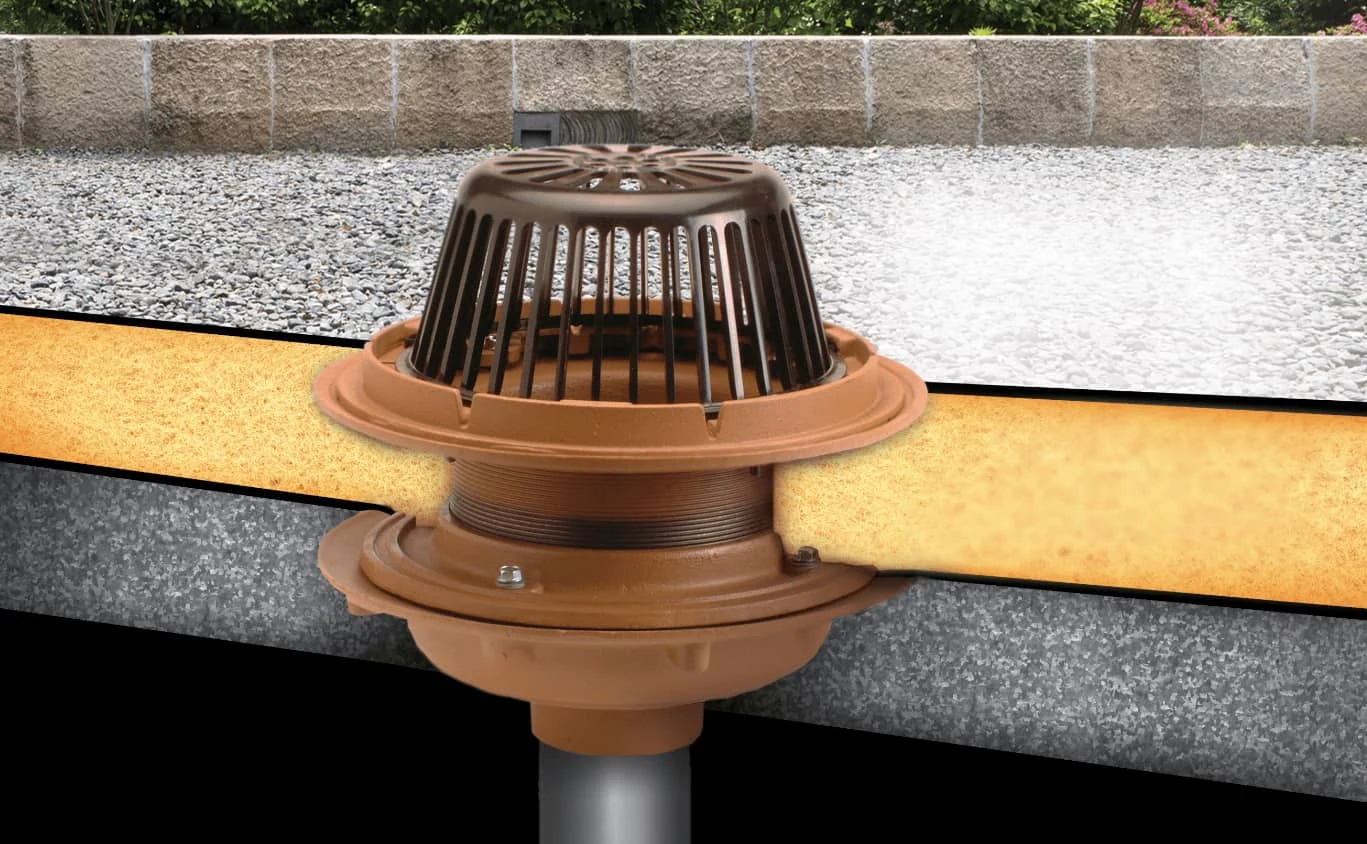
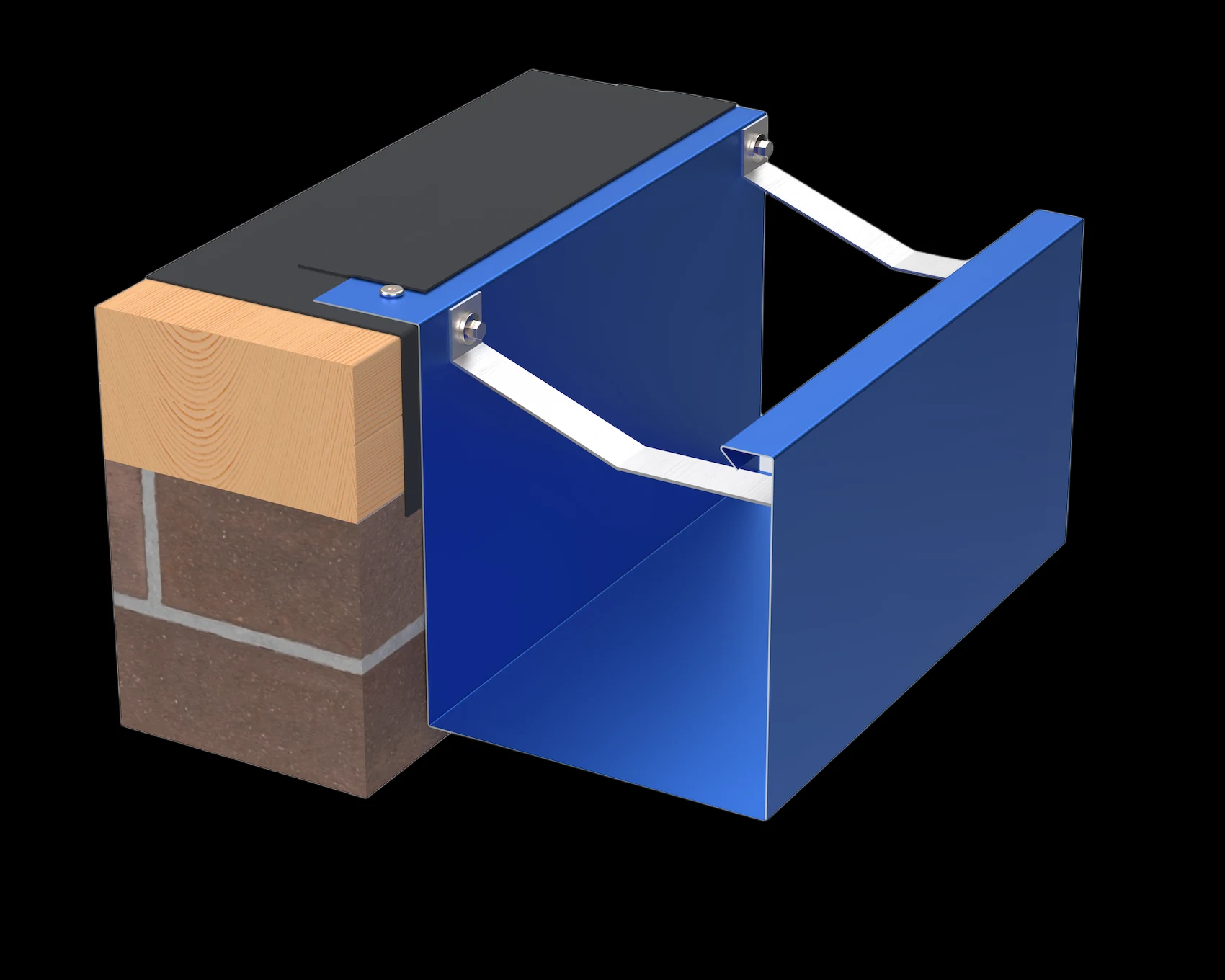
Freeze-thaw cycling at Bend's elevation is constant through the winter and shoulder seasons, and it's what ages flashing laps and membrane seams faster here than in milder climates. A clogged drain under a foot of snow means meltwater with nowhere to go, and repeated freeze-thaw at a ponding area can open a seam that a single freeze event wouldn't have touched. We document drain and scupper condition alongside the membrane itself, since a claim tied to water intrusion often traces back to a blockage rather than a single storm.
Separating This Season's Damage From Prior Winters
A roof that's been through several Central Oregon winters already carries some wear from freeze-thaw cycling regardless of any single event. We document what appears tied to a specific dated snow or ice event separately from longer-term freeze-thaw aging, because carriers weigh that distinction heavily, and a report that's specific about it tends to move through review faster than one that attributes everything to the most recent storm.
Buildings We See Most Snow-Related Claims On
Older pre-engineered buildings in the Redmond and Prineville industrial corridors, along with buildings in the Old Mill District carrying a mix of roof ages, tend to generate the most snow-load and freeze-thaw claims we see. Structures with tall parapets or mechanical screen walls that shift drift patterns are worth watching closely every winter, since drift zones can shift year to year depending on wind direction during a given storm, not only after an unusually heavy one.
Why Timing the Inspection Matters
The window to document snow and ice damage clearly is often narrower than owners expect. Once a drift melts off or a roof gets walked for unrelated maintenance, the specific evidence of where weight concentrated - a crushed vent boot, a stressed seam, a section of membrane pressed against ponded ice - can be disturbed or gone. We push to inspect as soon as it's safe to access the roof after a significant snow or ice event, even before any interior sign of a problem shows up, because catching a stressed seam early is a straightforward repair, while the same seam left through another freeze-thaw cycle can open into an active leak.
What We Document on a Snow or Ice Claim
- Dated, location-tagged photos of drift zones and any visible deflection
- Measurements of ponding depth, ice buildup, or drift concentration
- Drain and scupper condition where blockage contributed to water intrusion
- Structural engineer recommendation where damage appears to involve framing
- A clear separation between event-based damage and longer-term freeze-thaw wear
We're your roofing contractor, not a public adjuster - we document and substantiate the snow and ice damage so you and your adjuster are working from an accurate, complete scope.
Snow and Ice Claim Questions
Does a roof need to show visible sagging before it's worth documenting?
No. Drift-concentrated load and freeze-thaw damage to flashing or seams can be real and claim-worthy well before there's any visible structural deflection.
How is drift damage different from a general heavy snow claim?
Drift concentrates weight over a smaller area than the season's total snowfall would suggest, so we measure and photograph specific drift zones rather than treat the whole roof as uniformly loaded.
Will you recommend a structural engineer if needed?
Yes, whenever documented deflection or damage appears to go beyond the membrane itself, we include that recommendation as part of the claim record.
Can freeze-thaw damage really be part of an insurance claim?
It can factor in when tied to a specific dated event, such as an ice dam from a particular storm, though gradual multi-season freeze-thaw wear is documented separately from event-based damage.
Do you check drains as part of snow damage documentation?
Yes. A blocked drain under snow load is a common source of ponding and meltwater damage, so we inspect drains and scuppers alongside the membrane itself.
Related
Ready to review the roof scope?
Request a Roof Assessment