Roof Recover and Overlay Systems in Bend, OR
Roof recover and overlay systems for Bend, OR commercial buildings, evaluated for existing moisture, code layer limits, and added winter snow load.
When a Recover Makes More Sense Than Tear-Off in Bend
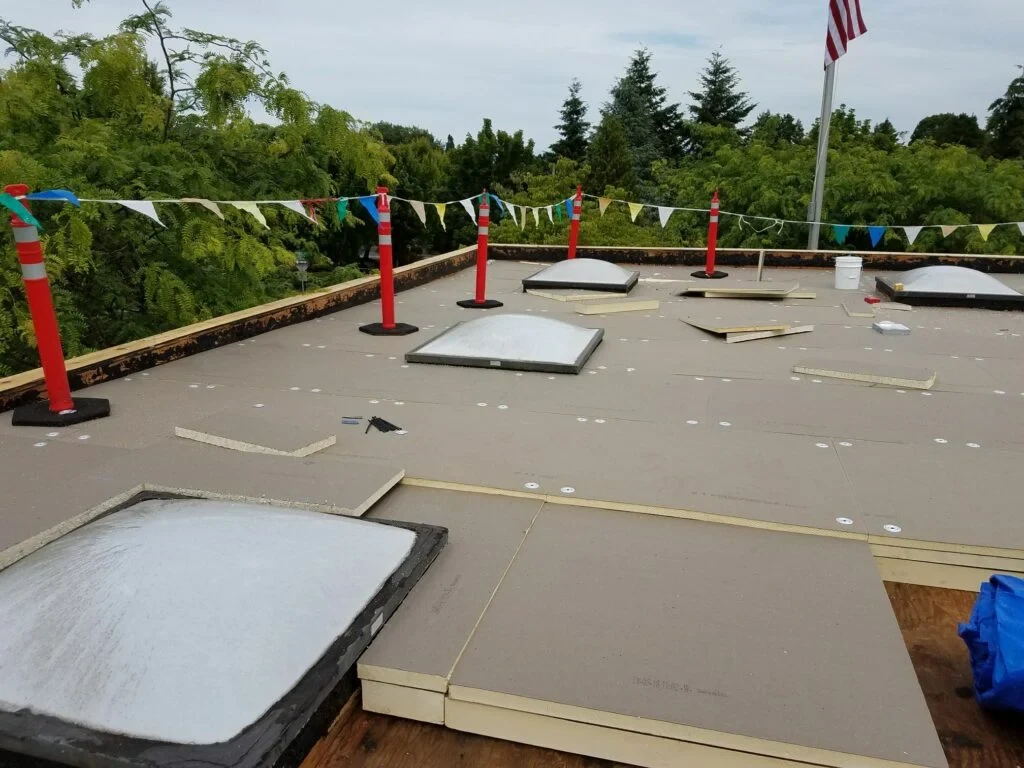
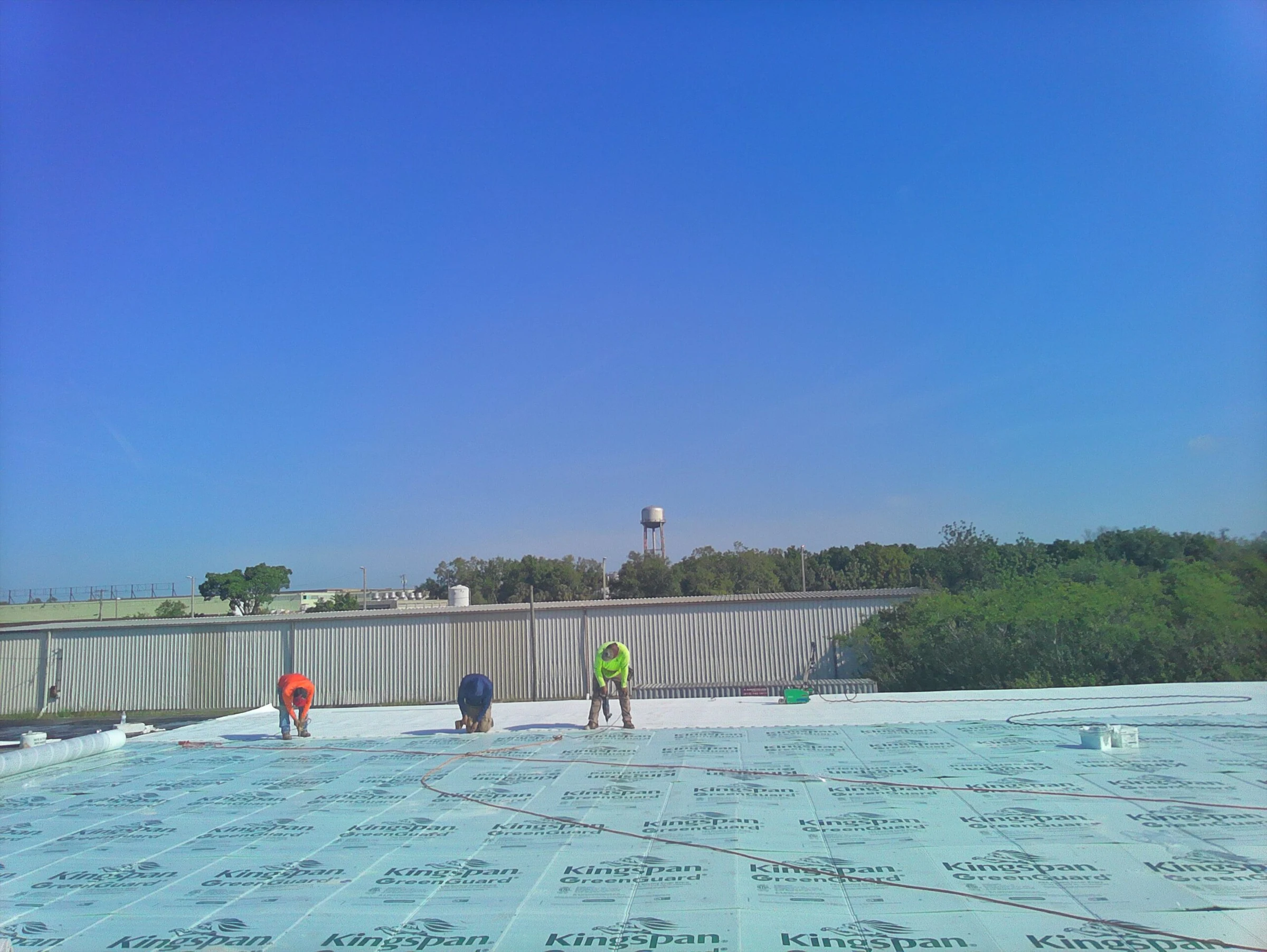
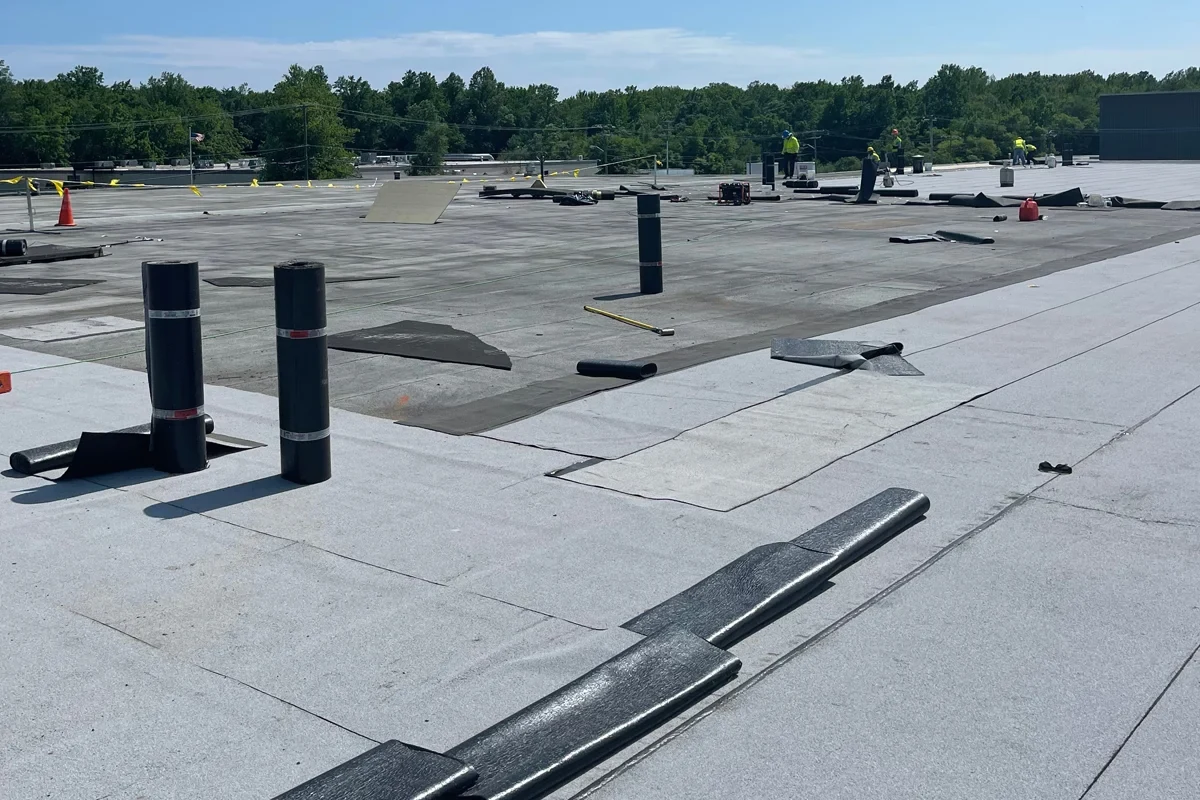
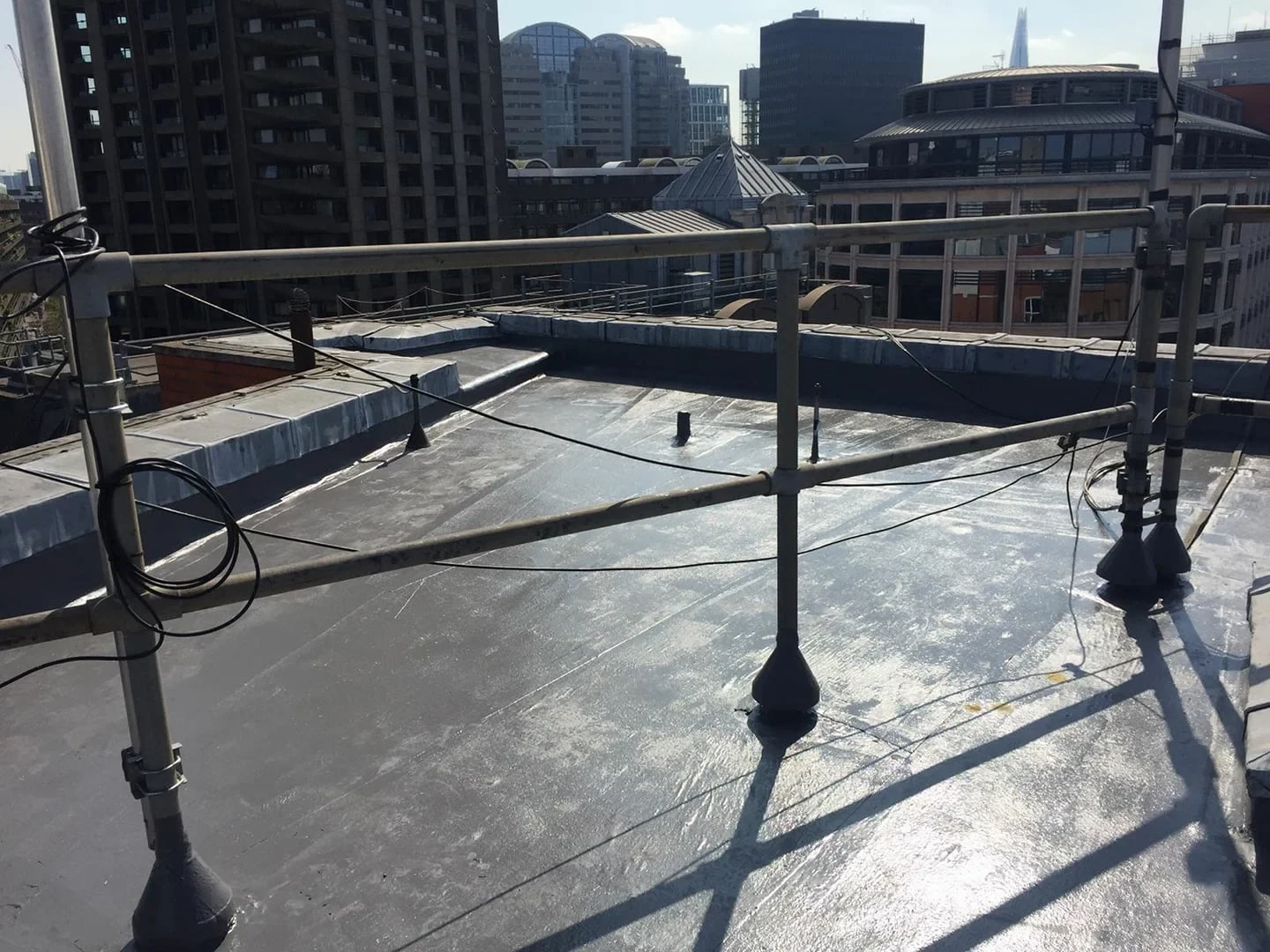
A recover system installs a new roof membrane directly over an existing one that's dry and structurally sound, without stripping the old roof down to the deck. We recommend it often around Bend, where a full tear-off means real disruption for a business that can't easily close during the region's busy tourist and event season, and where a recover can deliver a genuinely new roof surface at meaningfully lower cost than starting from bare deck.
What Has to Be True for a Recover to Make Sense
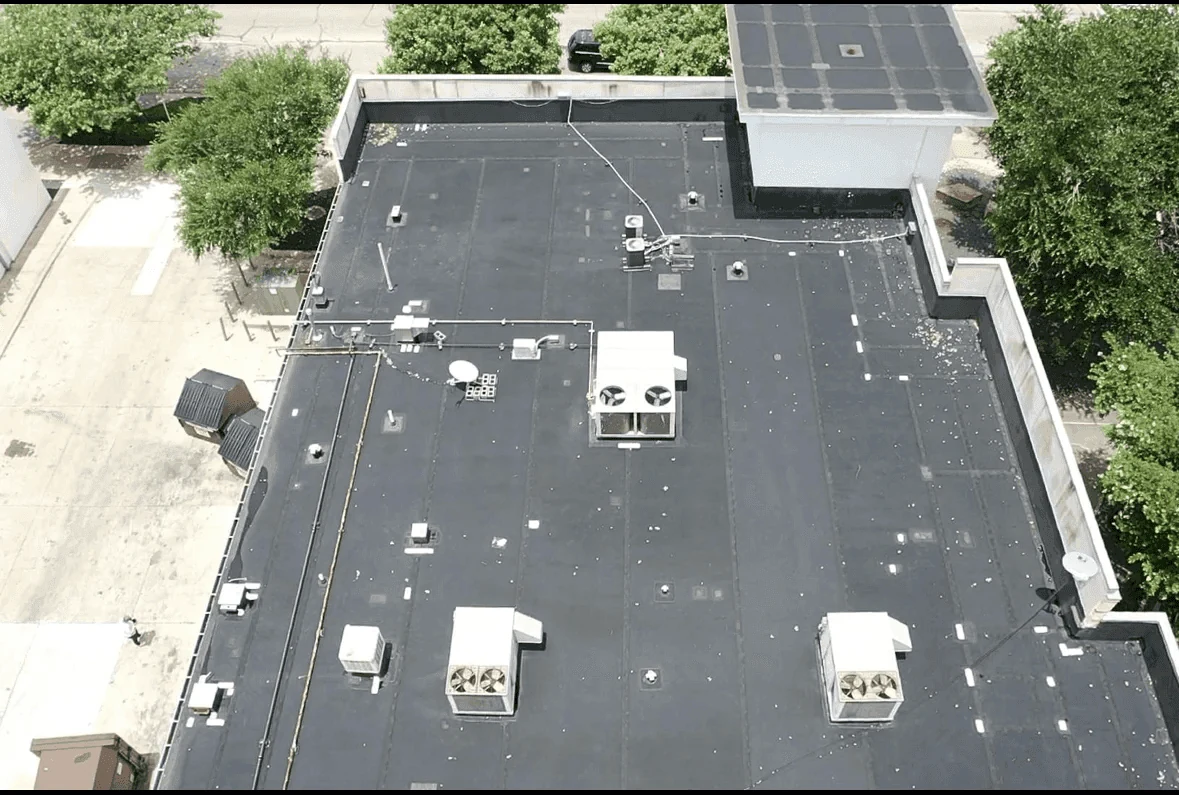
The existing roof has to be dry. That's the first and most important qualifier, and it's why every recover evaluation we do starts with a moisture scan across the full roof area. Wet insulation trapped under a new membrane will keep degrading and eventually telegraph through as a failure in the new roof, so we won't recommend a recover over a roof that scans wet no matter how convenient the timeline would be. Building codes also typically limit how many roof layers a structure can carry, so we check the roof's history and existing layer count before assuming a recover is even an option.
Beyond moisture and code limits, the existing roof's insulation needs to still be providing reasonable R-value, and the deck underneath needs to be sound. A recover over a roof with a failing deck just delays a bigger problem.
We've turned scanned roofs away from a recover more than once when the moisture readings came back higher than the owner expected, usually because a leak had been going unnoticed long enough to soak a section of insulation that looked fine from the surface. In those cases we cut out and replace the wet area before considering a recover on the rest of the roof, rather than covering the whole thing and hoping the problem stays contained.
Added Weight and Snow Load
Every recover adds weight to the structure, and that matters more here than it would somewhere without real winter snow accumulation. Before signing off on a recover project, we confirm the structure can carry the new membrane and insulation layer on top of whatever load it's already handling, including the snow load Central Oregon delivers most winters. On buildings where that math is already tight, particularly some of the older industrial and institutional buildings around town, a recover might not be the right call even if the existing roof is otherwise dry and sound, and we say so rather than pushing a project that could stress the structure.
Why It Matters for Hospitality and Breweries
A hotel along the Bend Parkway or in the Old Mill District can't easily take rooms offline for a multi-week tear-off during peak tourist months, and a brewery running full production doesn't want rooftop crews tearing into an active roof deck while fermentation and packaging equipment are running below. A recover lets us install a genuinely new roof surface in a shorter timeframe with less disruption to daily operations, which is often the deciding factor for these buildings even when a tear-off might otherwise be the more thorough option.
Recover Versus Coating Versus Tear-Off
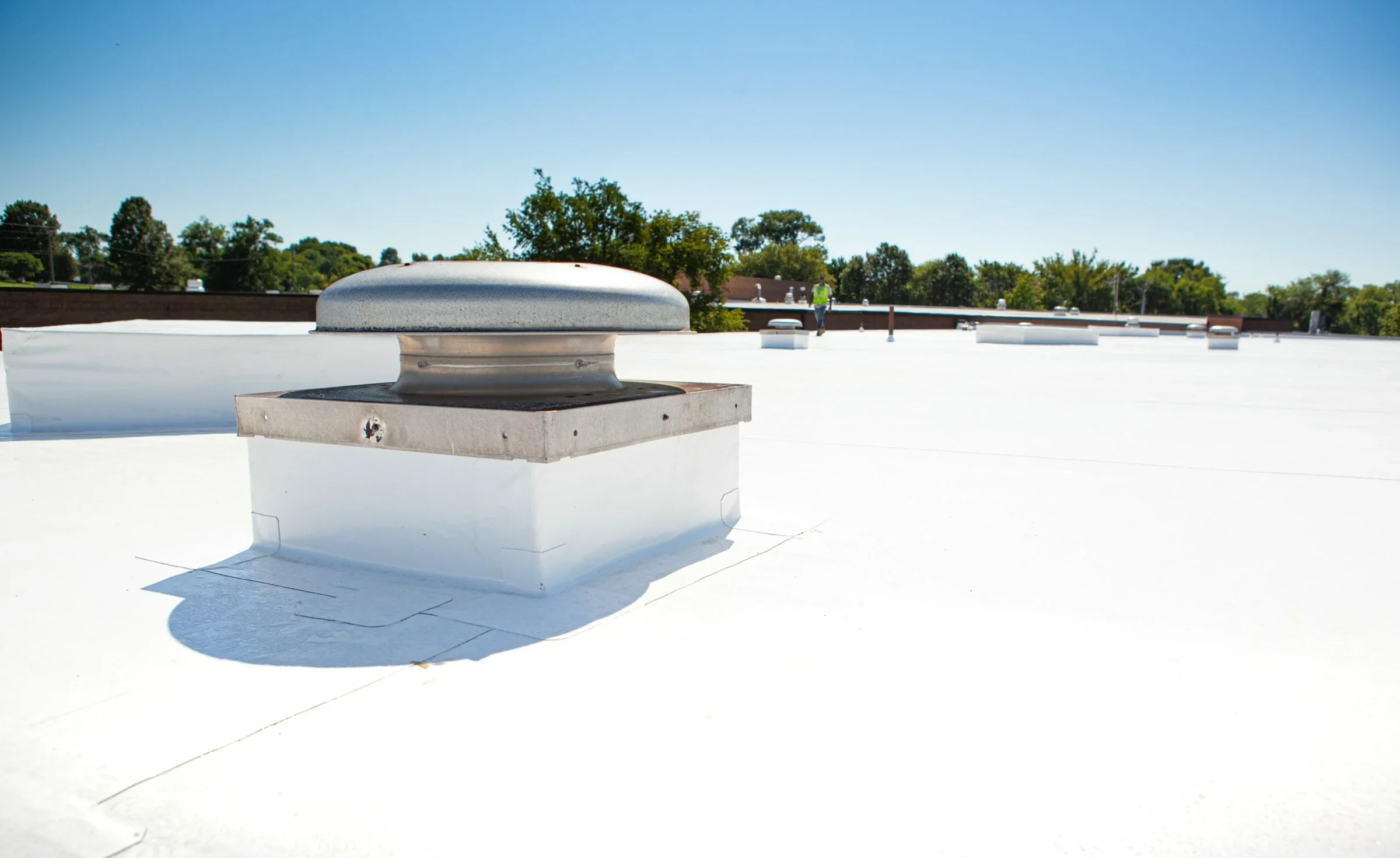
A coating restores an existing membrane's surface without adding a new layer, which works when the membrane itself is still fundamentally sound. A recover adds an entirely new membrane over the old one, appropriate when the existing membrane has failed but the substrate below is dry and structurally capable of the extra weight. A tear-off is the right call when the existing roof is wet, the deck is compromised, or code layer limits have already been reached. We walk owners through which category their roof actually falls into rather than defaulting to whichever option is easiest to sell.
What We Evaluate Before a Recover Project
- Full-roof moisture scan to confirm dry insulation throughout
- Existing layer count relative to code maximum for recover eligibility
- Structural capacity for the added weight combined with snow load
- Deck condition beneath the existing insulation and membrane
- Operational constraints for hospitality, brewery, or medical tenants
- Cost comparison against a full tear-off and replacement
Questions About Recover Projects Here
How do you know if my roof qualifies for a recover instead of tear-off?
A moisture scan and a check of existing layer count against code limits tell us most of it. If the scan comes back dry and the layer count allows it, a recover is usually on the table.
Does a recover add too much weight for our snow load?
It depends on the structure's existing capacity. We verify that before recommending a recover, and on buildings where the margin is already tight, we'll recommend tear-off instead rather than risk overloading the roof.
How much faster is a recover than a full tear-off?
Meaningfully, since there's no deck strip, disposal, or deck repair phase involved. That speed is often the deciding factor for hotels and breweries that can't take extended downtime.
Can you recover a roof that already has two layers on it?
Usually not, since most codes cap the number of roof layers a structure can carry. In that case a tear-off to the deck is typically required regardless of the existing membrane's condition.
Is a recover as durable as a full tear-off and replacement?
When the existing roof is genuinely dry and sound, yes, a recover performs comparably to new construction. The durability question really comes down to what's underneath, not the recover process itself.
Related
Ready to review the roof scope?
Request a Roof Assessment