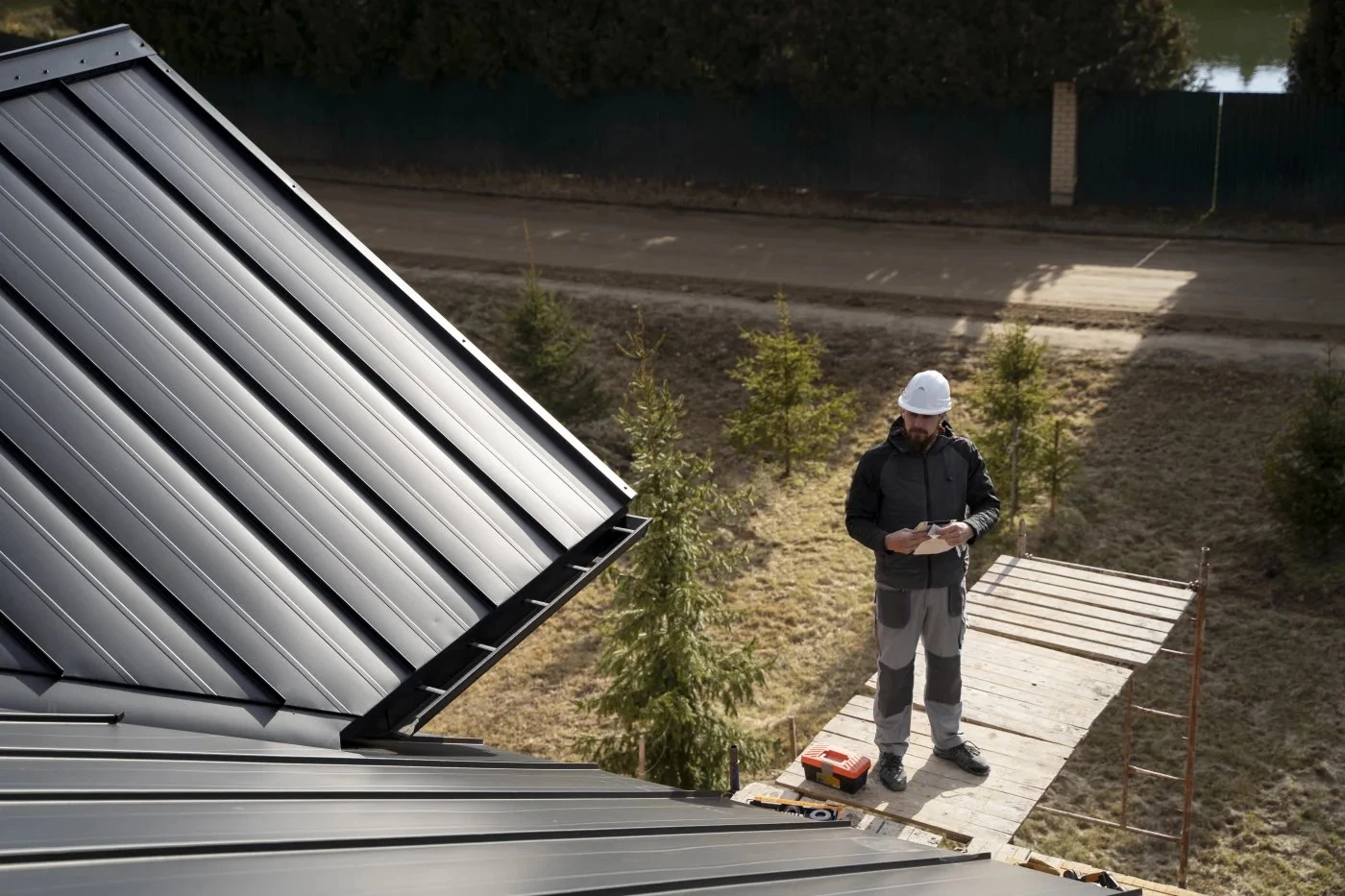
Standing Seam Metal Roofing in Bend, OR
Standing seam metal roofing for Bend, OR resort, lodge, and commercial buildings, detailed for real snow shedding and high-desert thermal cycling.
Standing Seam Metal Roofs for Bend's Resort and Lodge Buildings
Standing seam metal has become the roof of choice for a lot of the hospitality and resort construction happening around Central Oregon, from lodge buildings out toward Sunriver and Black Butte Ranch to newer mixed-use projects near the Old Mill District. The aesthetic fits the mountain-adjacent architecture owners want, but we spec it here for practical reasons too, mainly how well a properly detailed standing seam system manages Bend's snow.
Snow Shedding Versus Snow Retention
The first decision on any standing seam project here is whether the roof should shed snow or hold it. A steep-pitched lodge roof that sheds a heavy snow load straight off the eave looks great and keeps weight off the structure, but it can dump snow and ice directly onto a walkway, entrance, or parking area below if snow guards aren't specified correctly. We've inspected buildings where that got missed at design, and the fix after the fact, retrofitting snow retention systems onto an already-installed roof, is a lot more expensive than getting the panel and clip spacing right from the start.
On buildings with pedestrian areas directly below the roofline, we typically recommend snow guards or a snow retention system engineered for the specific panel profile, spaced to match the roof's actual slope and expected accumulation rather than a generic pattern.
Lodge and resort buildings out toward Sunriver and Black Butte Ranch tend to have deep eaves and covered walkways specifically because designers there already understand what a roof full of accumulated snow can do if it lets go all at once. We coordinate snow retention layout with those architectural features rather than treating it as an afterthought bolted on after the fact.
Mechanically Seamed Versus Snap-Lock Panels
Mechanically seamed panels, where the seam gets crimped closed with a specialized tool, hold up better under sustained snow load and wind uplift than snap-lock panels that simply click together. We spec mechanically seamed systems on most of the resort and lodge work we do, since those roofs carry real accumulated snow weight for weeks at a time through the winter. Snap-lock panels still have their place on lower-slope or less snow-exposed applications where installation speed and cost matter more than maximum seam strength, such as smaller canopy roofs or covered walkways attached to a larger building.
Thermal Movement and Clip Spacing
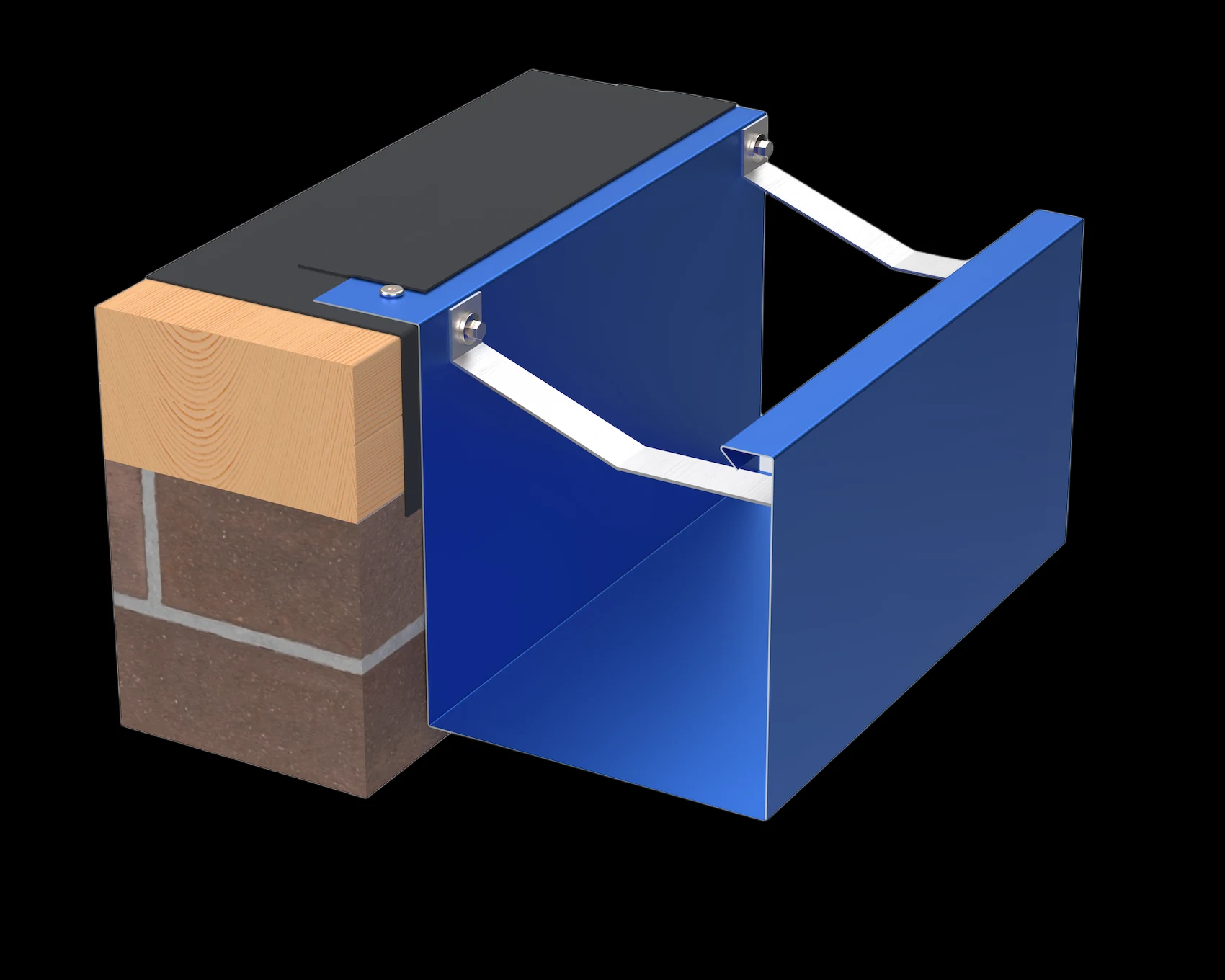
Metal roofing expands and contracts more than any membrane system we install, and Bend's daily temperature swings, from near-freezing mornings to warm afternoons even in shoulder seasons, put real stress on panel fasteners if the clip spacing wasn't engineered for that movement. We use floating clip systems that let panels move independently of the structure underneath, rather than fixed fasteners that eventually work loose or oil-can the panel surface from repeated thermal cycling.
Panel length matters here too. A long run on a lodge roofline moves more in absolute terms than a short run does for the same temperature swing, so clip spacing on longer panel runs has to account for more total expansion rather than the same interval applied uniformly across the roof. We size that spacing to each roof's actual panel lengths instead of defaulting to a standard table meant for a milder, less variable climate.
Where We're Installing It Most
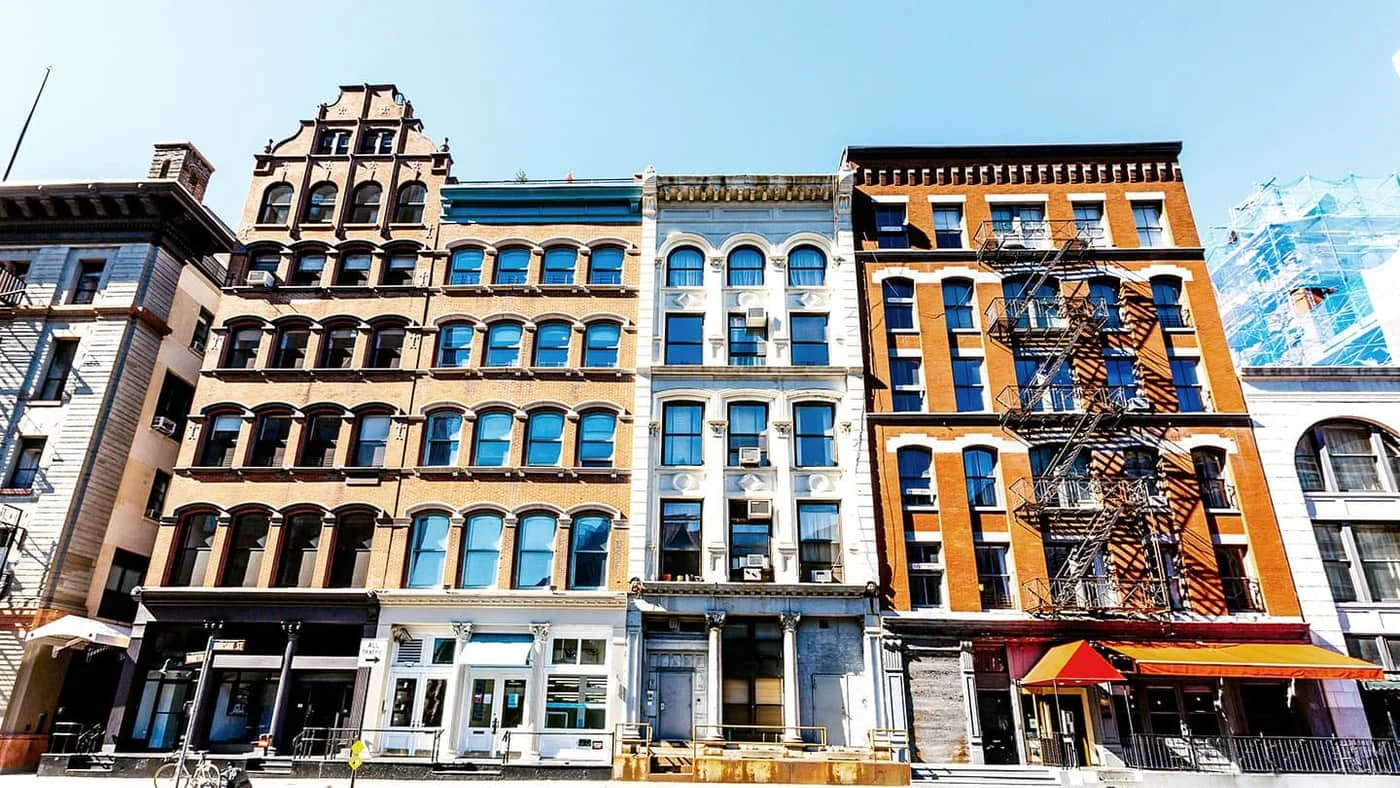
Beyond resort and lodge construction, standing seam shows up on medical office buildings wanting a lower-maintenance long-term roof, and on some newer mixed-use development downtown where the architecture calls for a metal roofline over ground-floor retail. It's less common on straightforward warehouse or industrial buildings, where exposed-fastener metal panel systems get the job done for considerably less cost. See our R-panel roofing page for that side of the business.
What We Check on a Standing Seam Inspection
- Seam integrity and any signs of separation or oil-canning from thermal stress
- Clip condition and fastener security at eaves and ridges
- Snow guard or retention system function relative to the roof's actual accumulation
- Flashing at valleys, penetrations, and wall transitions
- Sealant condition at end laps and any exposed fasteners
- Panel finish for coating wear or UV-related fading
Questions About Standing Seam Metal in This Climate
Do standing seam roofs need snow guards in Bend?
On any roof with a walkway, entrance, or parking area below the eave line, yes. We size and space snow retention to the specific panel profile and roof slope rather than using a one-size guess.
Is mechanically seamed metal worth the extra cost over snap-lock?
For roofs carrying sustained snow load through the winter, generally yes. Snap-lock works fine on lower-exposure applications, but we don't recommend it where accumulated snow weight sits on the roof for extended periods.
How does thermal movement affect a metal roof here?
Daily temperature swings cause panels to expand and contract more than people expect, even outside of winter. Proper floating clip spacing prevents that movement from working fasteners loose or distorting the panel surface over time.
Can standing seam be installed over an existing low-slope roof?
In some cases, with the right structural and drainage considerations, though it's more common as a full replacement or new construction application than a recover.
How long does standing seam metal typically last around Bend?
With a properly engineered clip system and snow management, thirty to fifty years is realistic, making it one of the longer-lived roofing options we install around Bend despite the higher upfront material and labor cost.
Related
Ready to review the roof scope?
Request a Roof Assessment